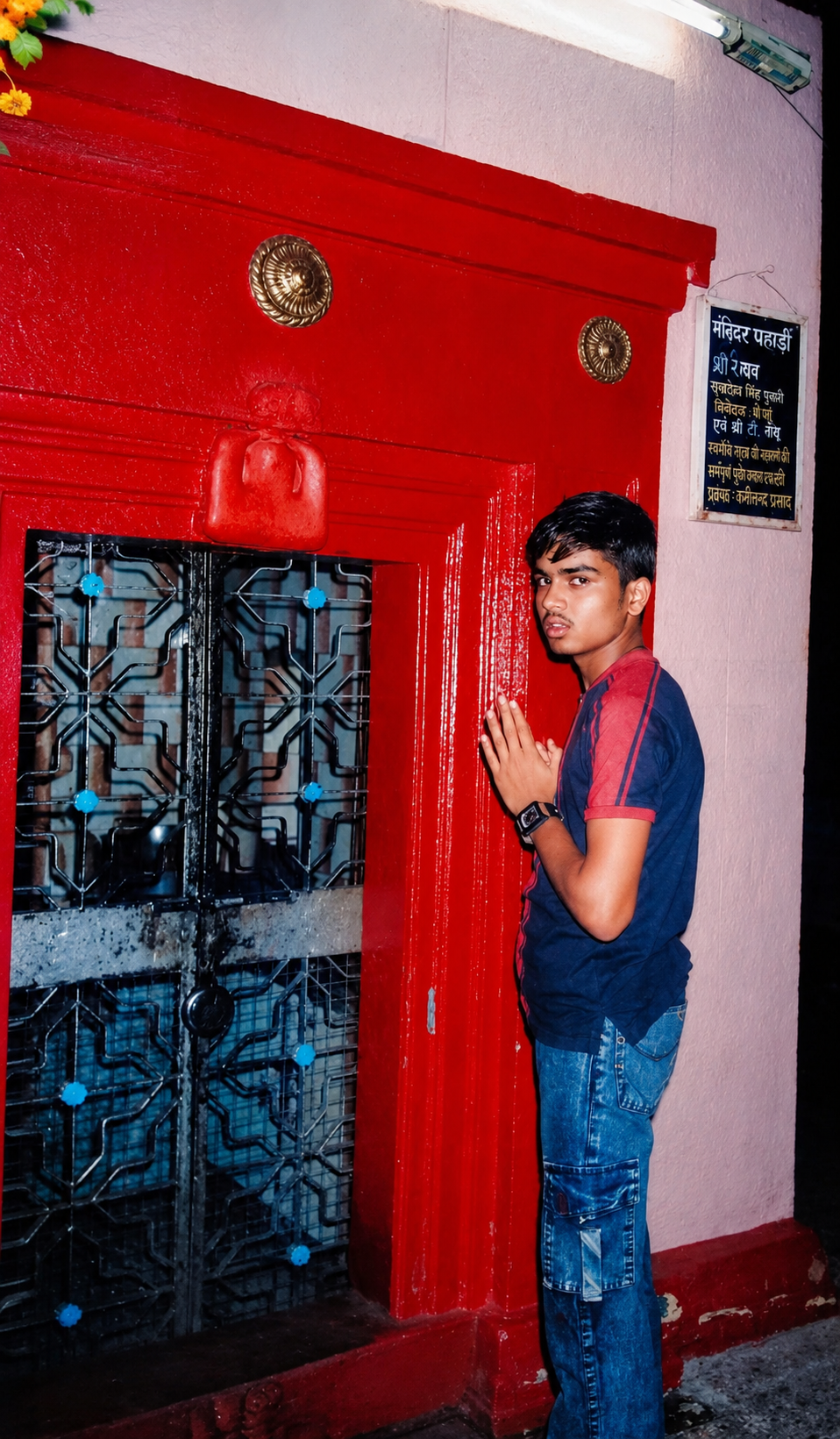
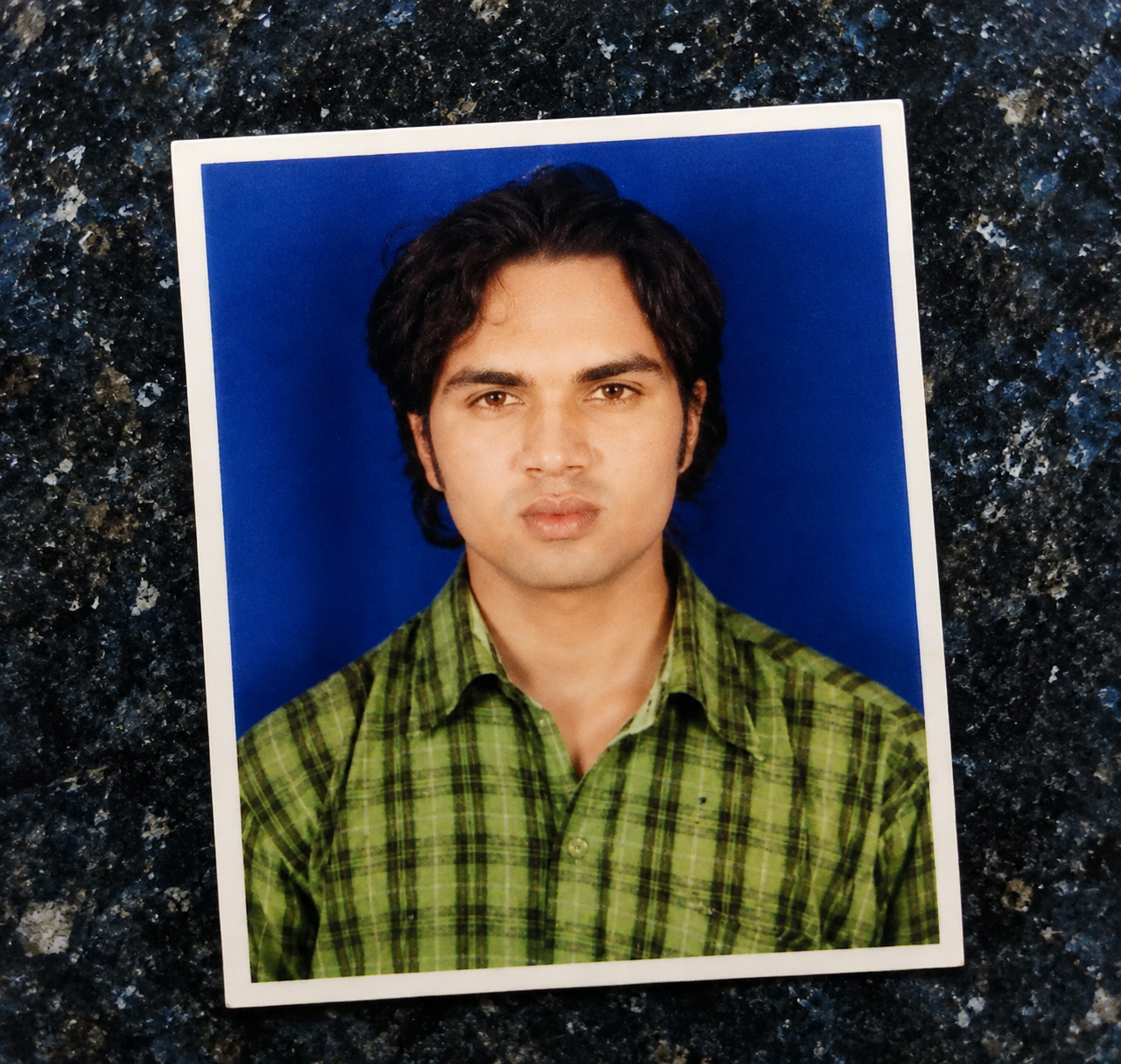
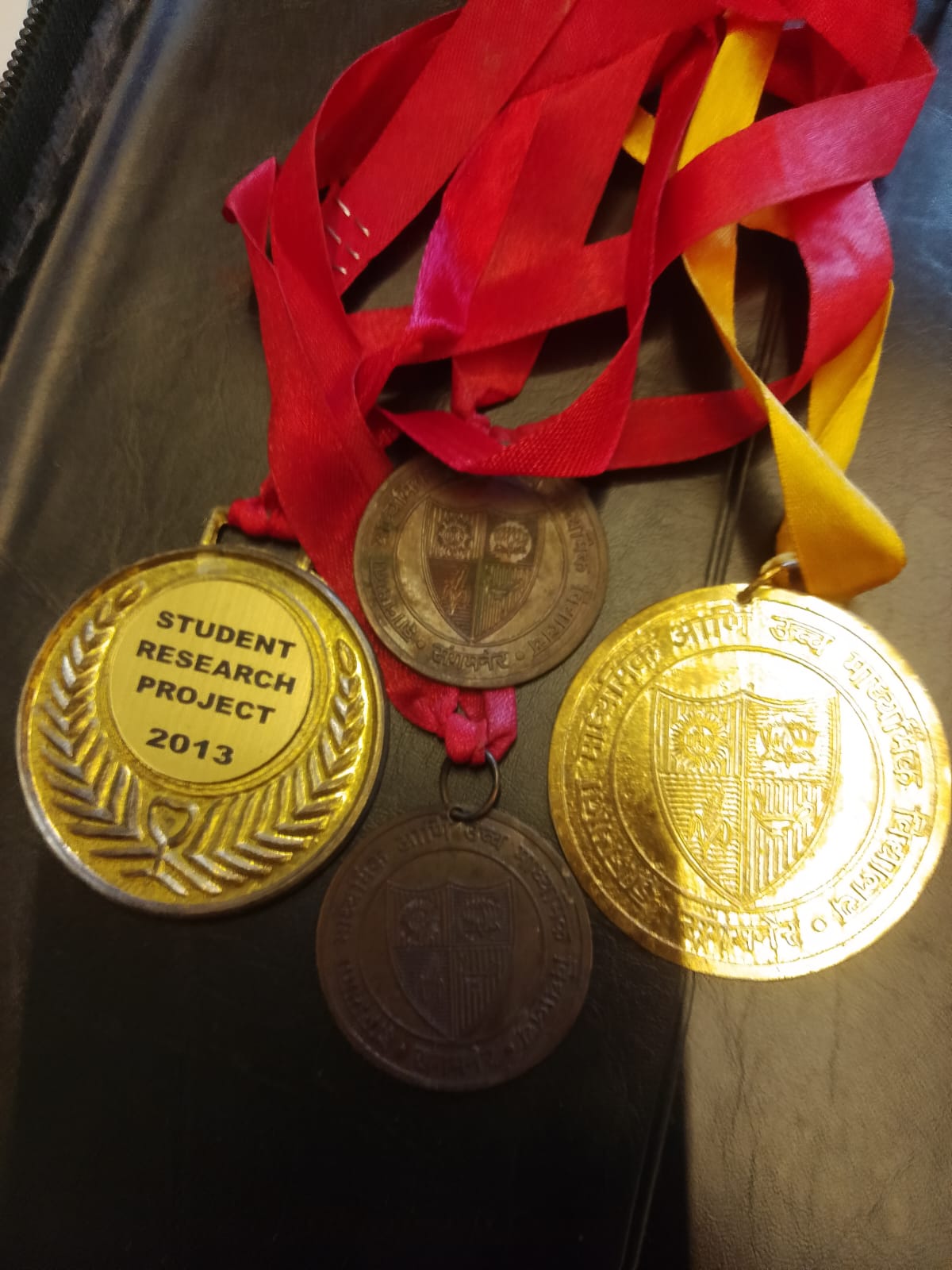
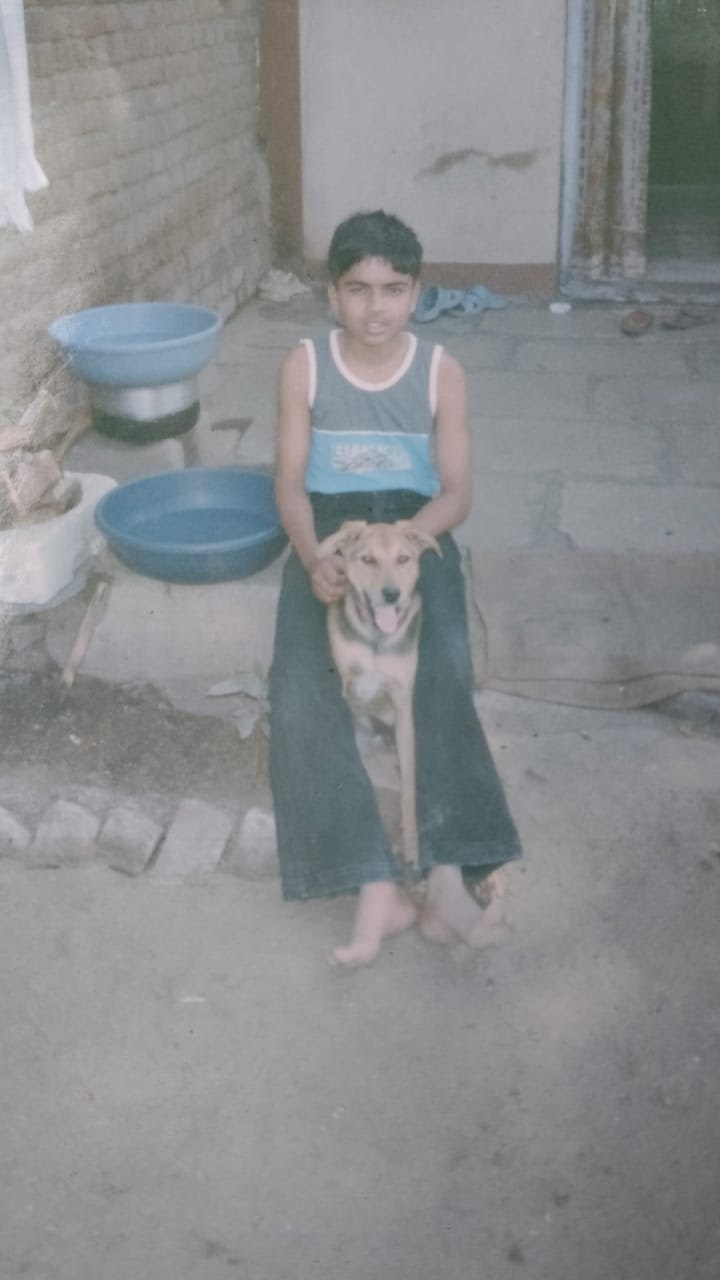
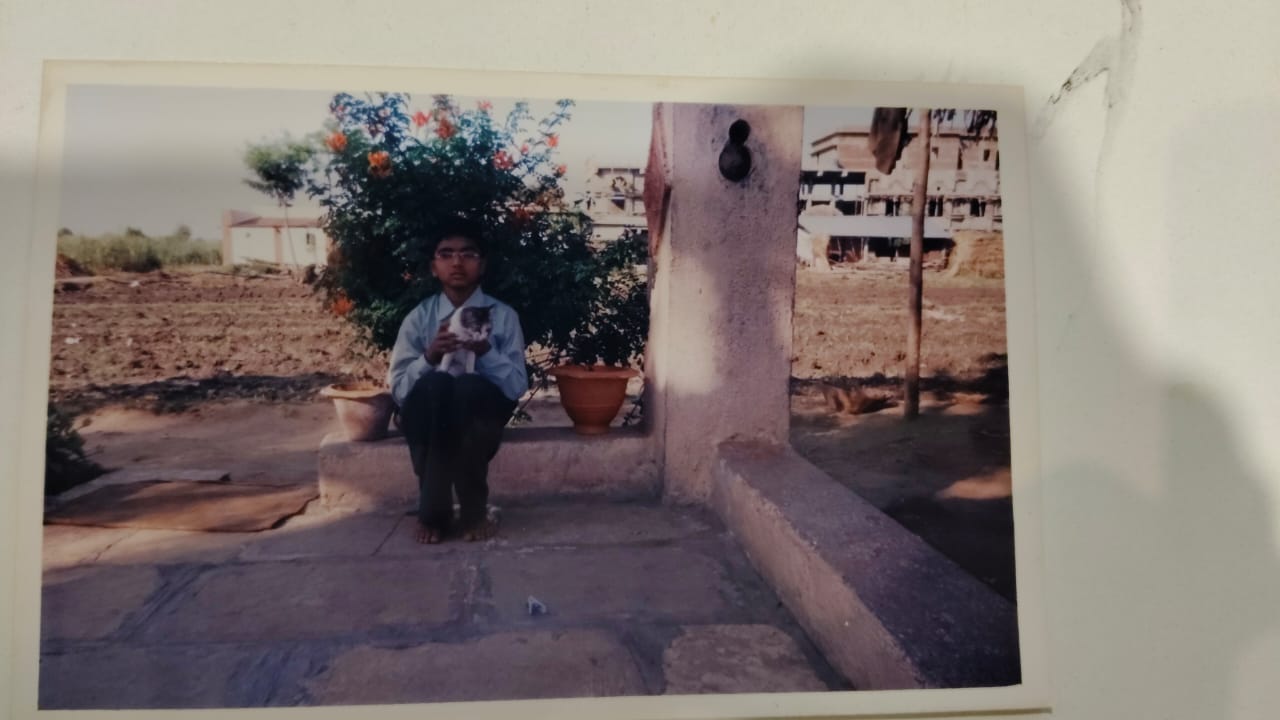
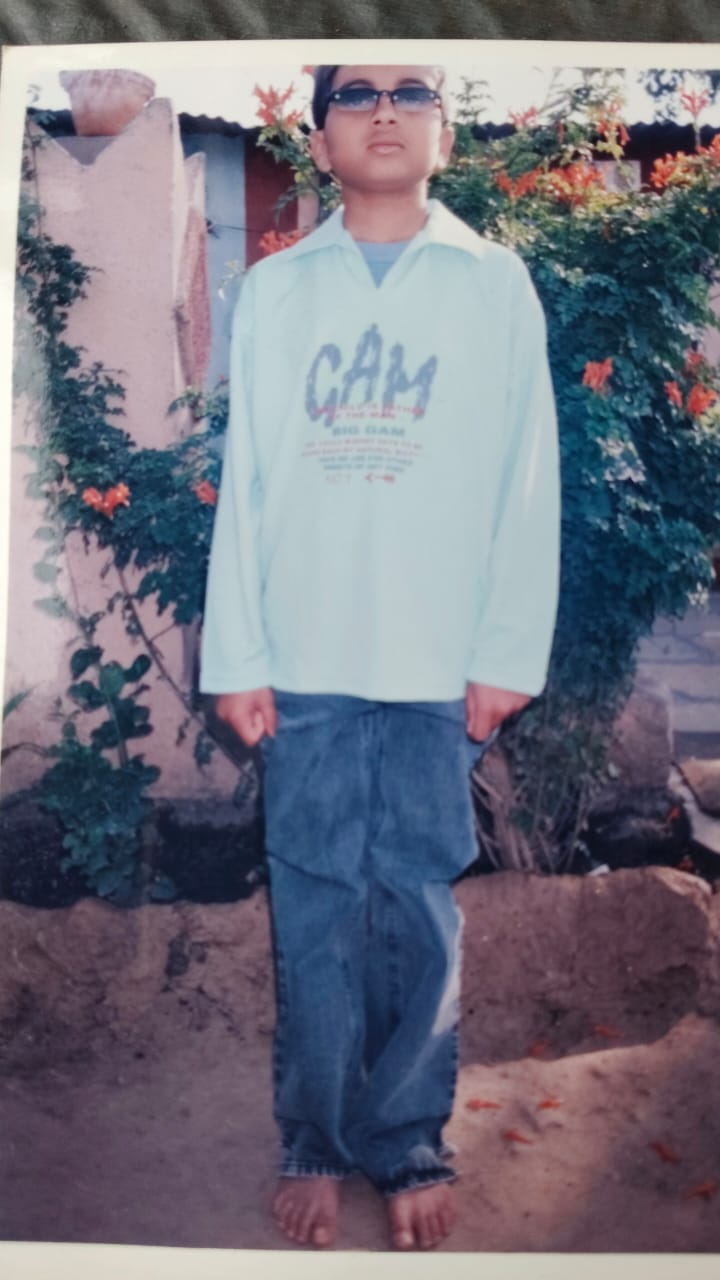
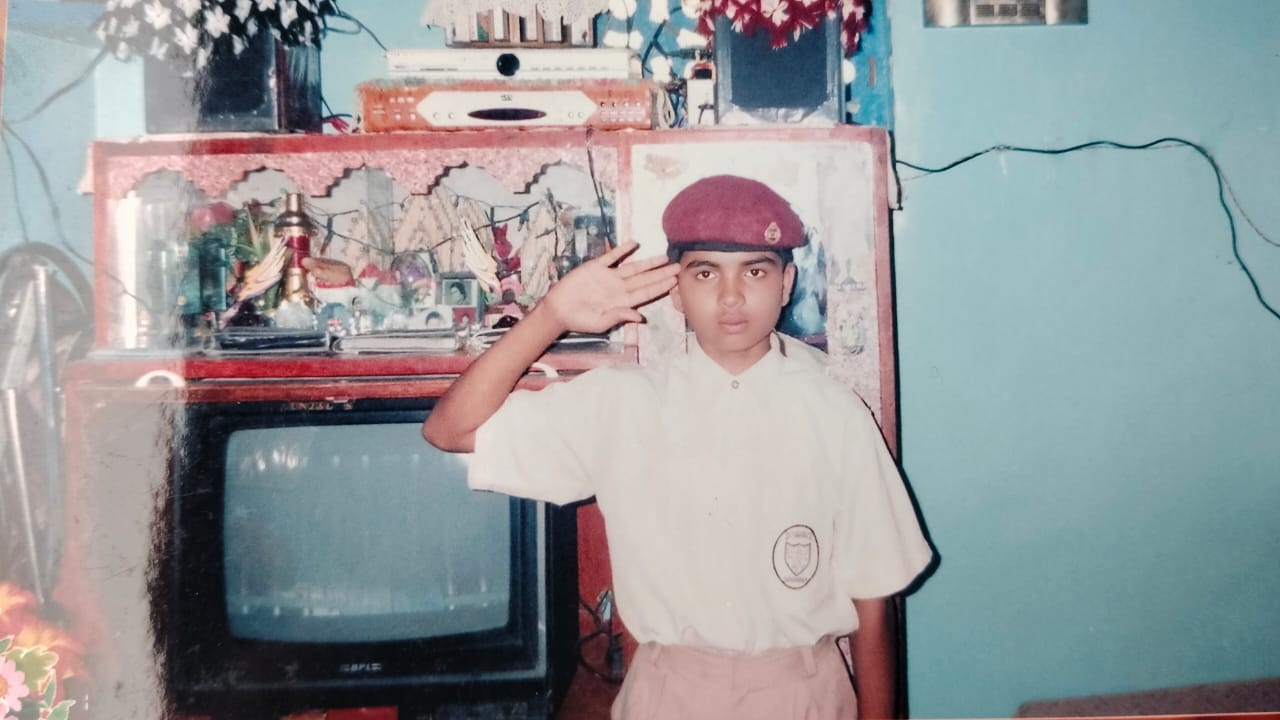
An autobiography by Suyog Gunjal

THE PSYCHIC WITHIN

Discovering Potential. Defining Purpose. Building a Legacy.

The story of who I was, who I became, and who I aspire to be. A journey through family, setbacks, learning, engineering, and the determination to give back.

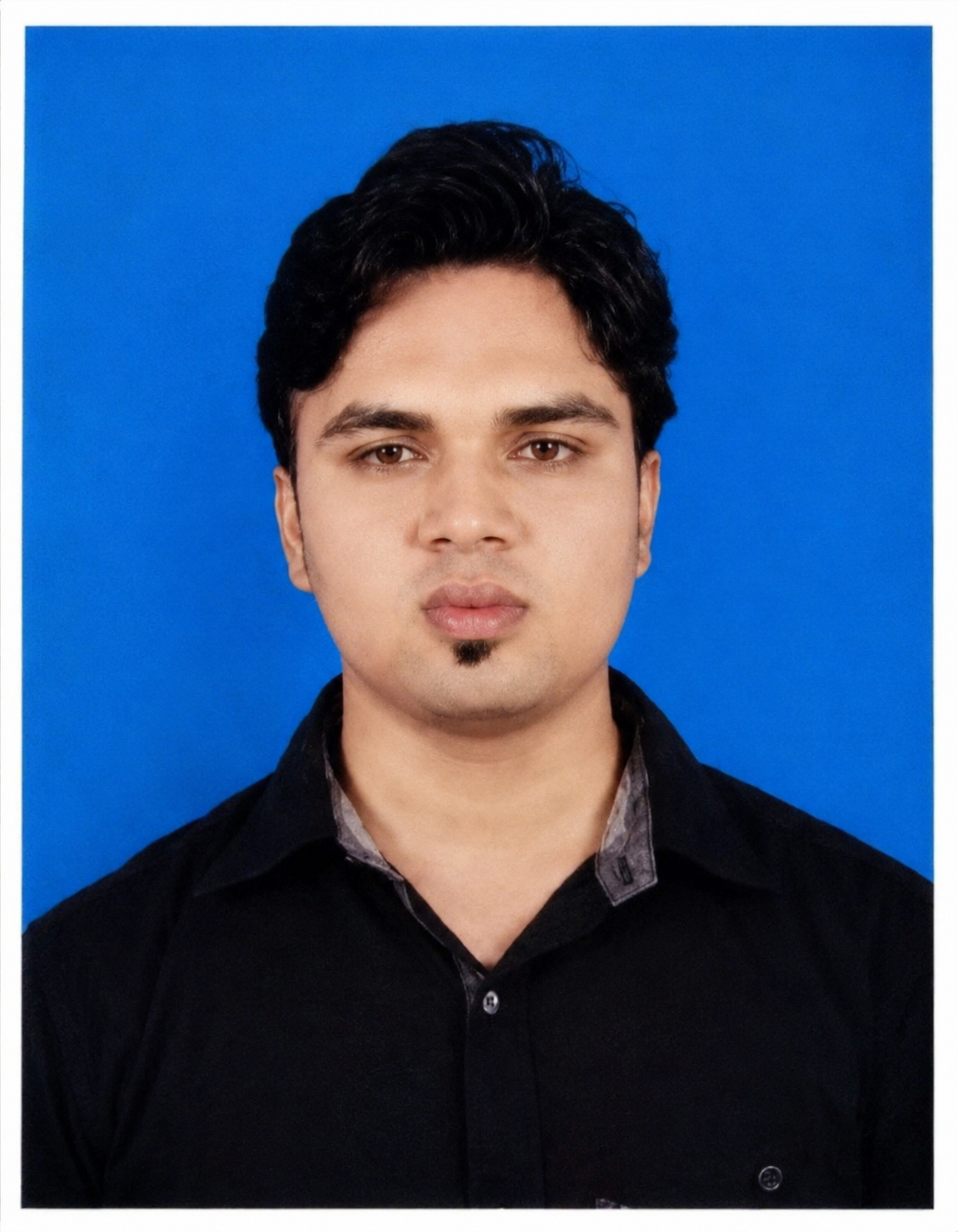
Suyog Gunjal animated portrait
Suyog Gunjal
Before the first chapter

Prologue

Everyone sees success.

Very few people see the journey behind it.

When people meet me today, they know me as a software engineer working in the United States. Some know me through my technical talks, seminars, YouTube videos, LinkedIn posts, or the work I have done in automotive software, mobile applications, IoT, and artificial intelligence.

But very few people know where this journey really started.

It did not start in America.

It did not start in Pune.

It did not even start with computers.

It started in a small town called Sangamner.

Whenever I visit my hometown, I don't see buildings or roads. I see memories.

I remember running on the football ground before school.

I remember spending my summer vacations in my grandparents' village.

I remember climbing mango trees with my cousins.

I remember my father's dreams for me.

I remember my failures.

I remember the people who believed in me when I didn't believe in myself.

Life has taught me that success is never built in one day.

It is built through thousands of small moments that nobody notices.

This book is not about becoming successful.

It is about becoming better every day.

If you are a student from a small town...

If you think your dreams are too big...

If you feel that your circumstances are holding you back...

Then this book is for you.

Because many years ago, I was exactly where you are today.

Vision & mission

Why “The Psychic Within”?

For me, Psychic is a personal symbol of imagination, intuition, and the courage to see possibilities before they become real. It is not a claim of supernatural ability. It is a reminder to keep asking what might be possible—and to do the work needed to make it happen.

This story looks back with gratitude, but it also looks forward. My vision is to keep learning, building meaningful technology, mentoring others, and creating opportunities for students who begin with fewer resources. My mission is to turn what I learn into something useful for other people. The legacy I hope to build is still a work in progress.

The complete story

18 Chapters. One Continuing Journey.

Every chapter is closed by default. Open one to read the story and explore its memories, photographs, and evidence.

01The Boy from Sangamner

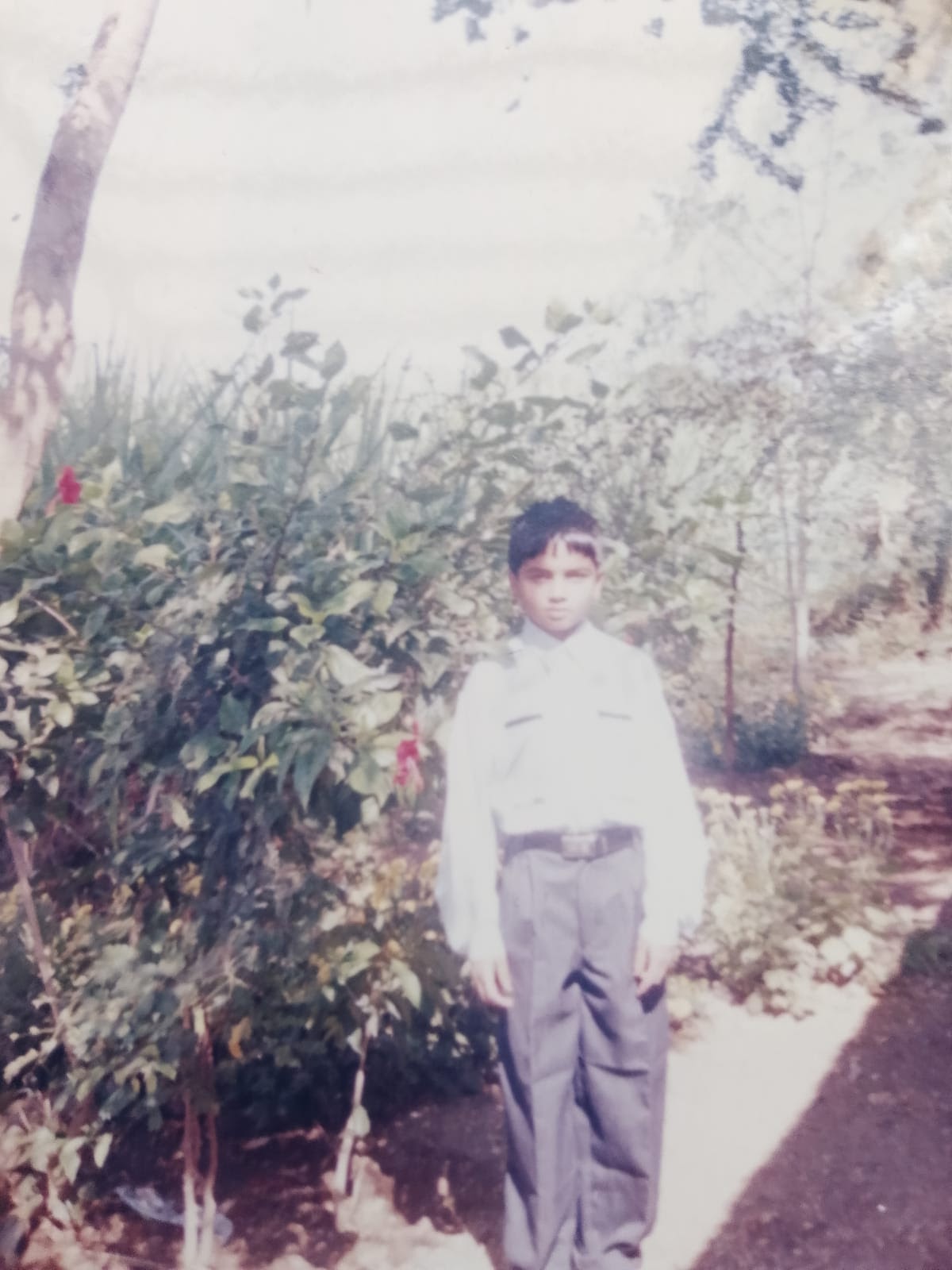
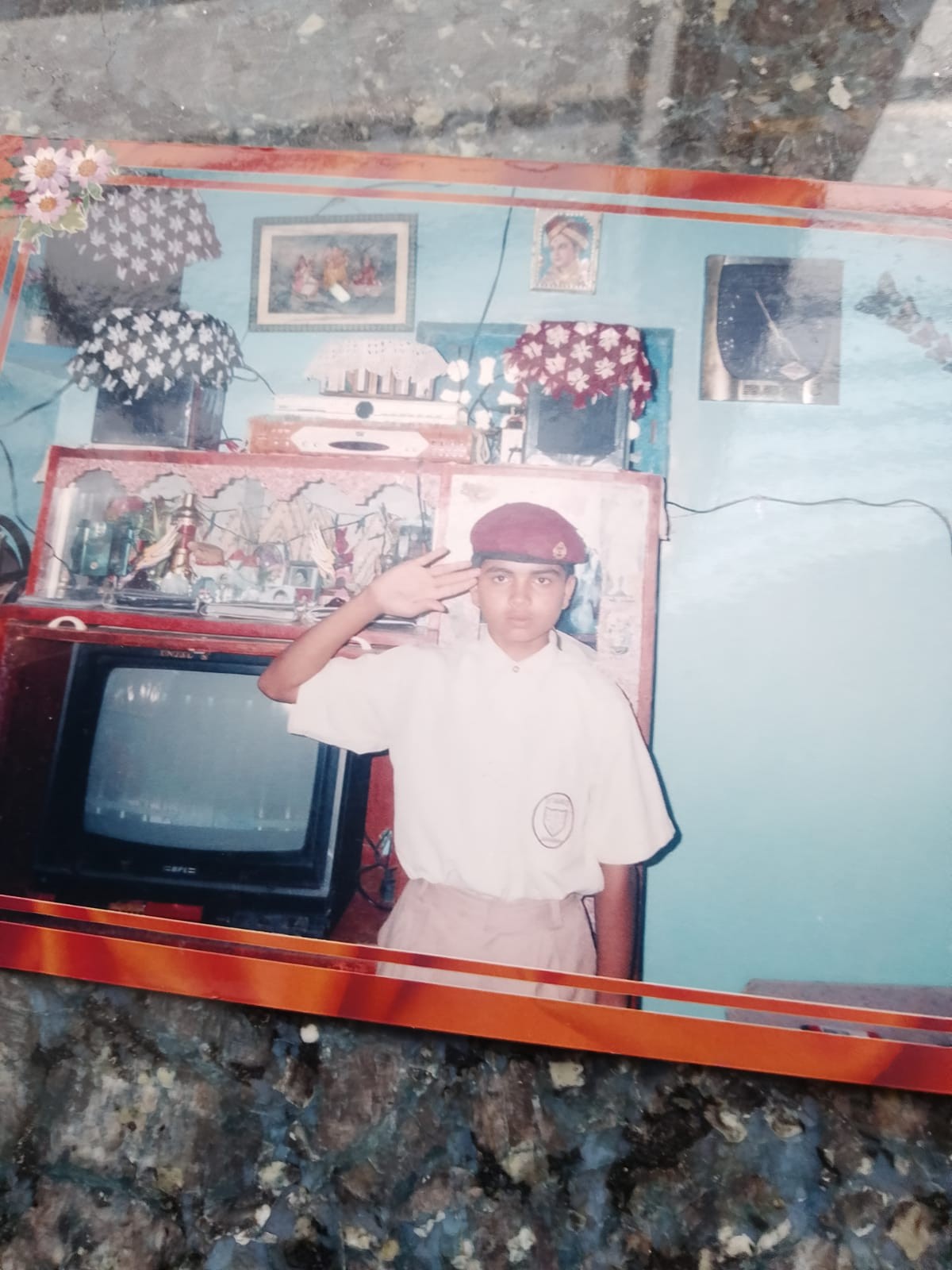
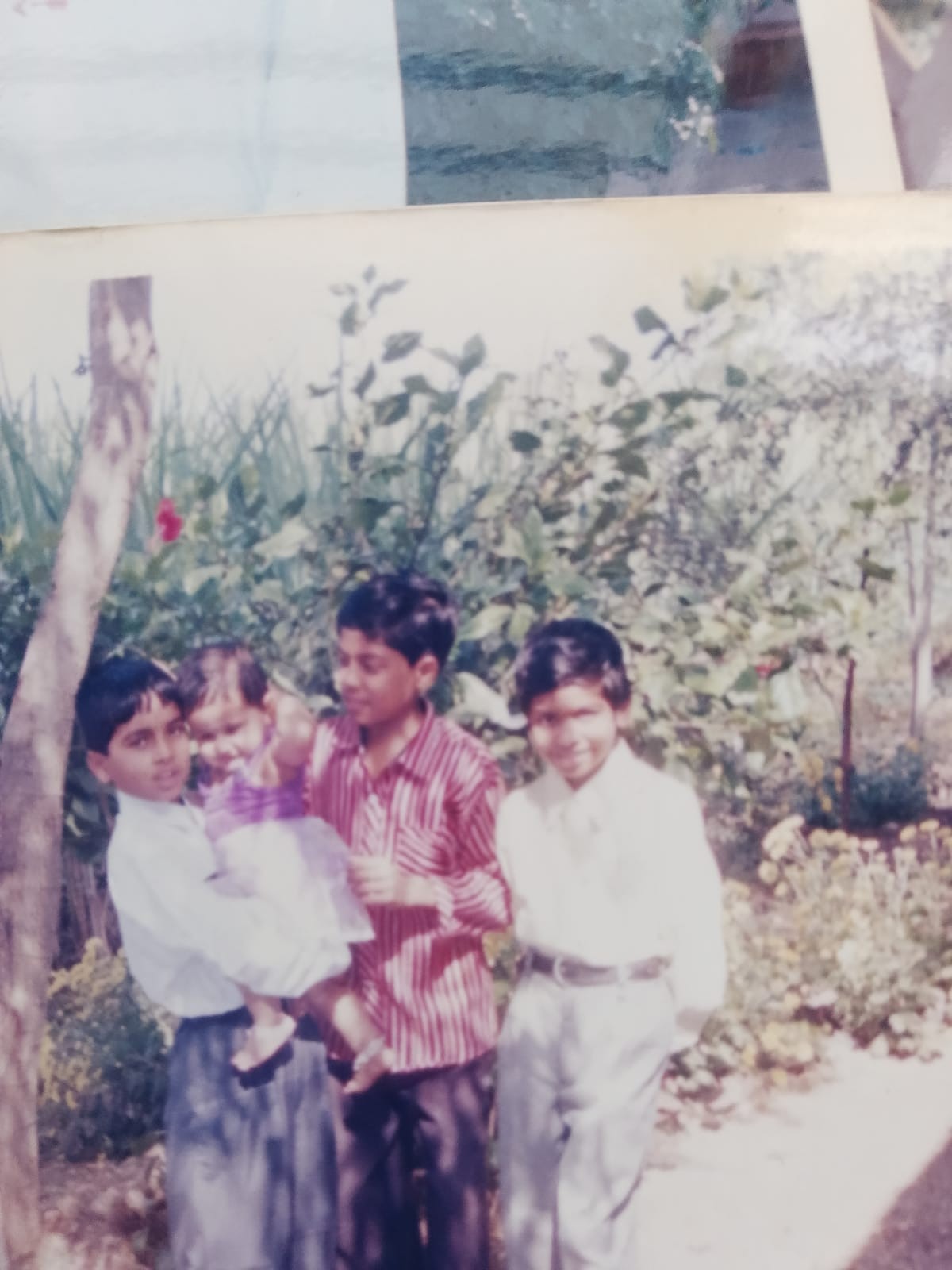
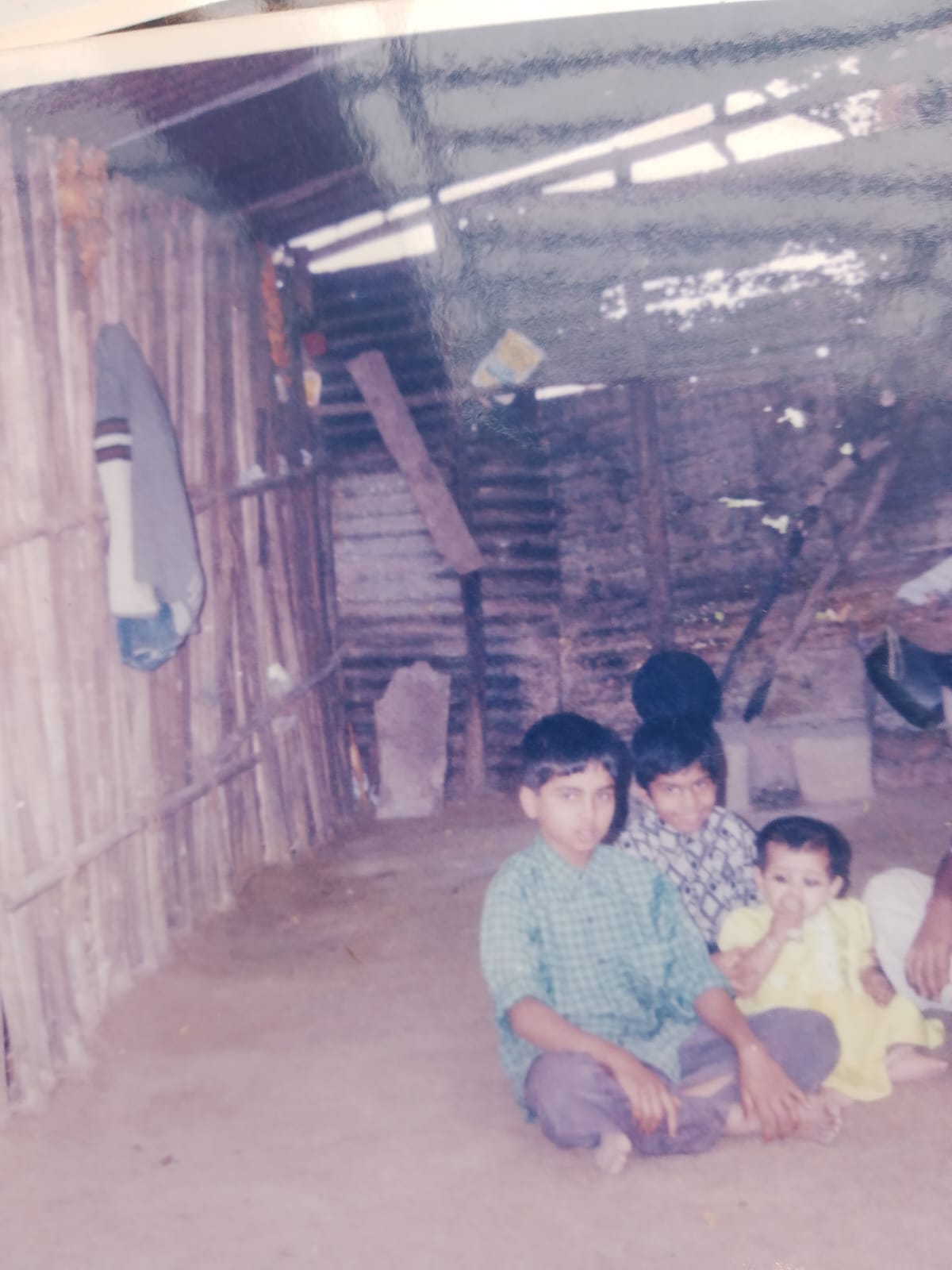
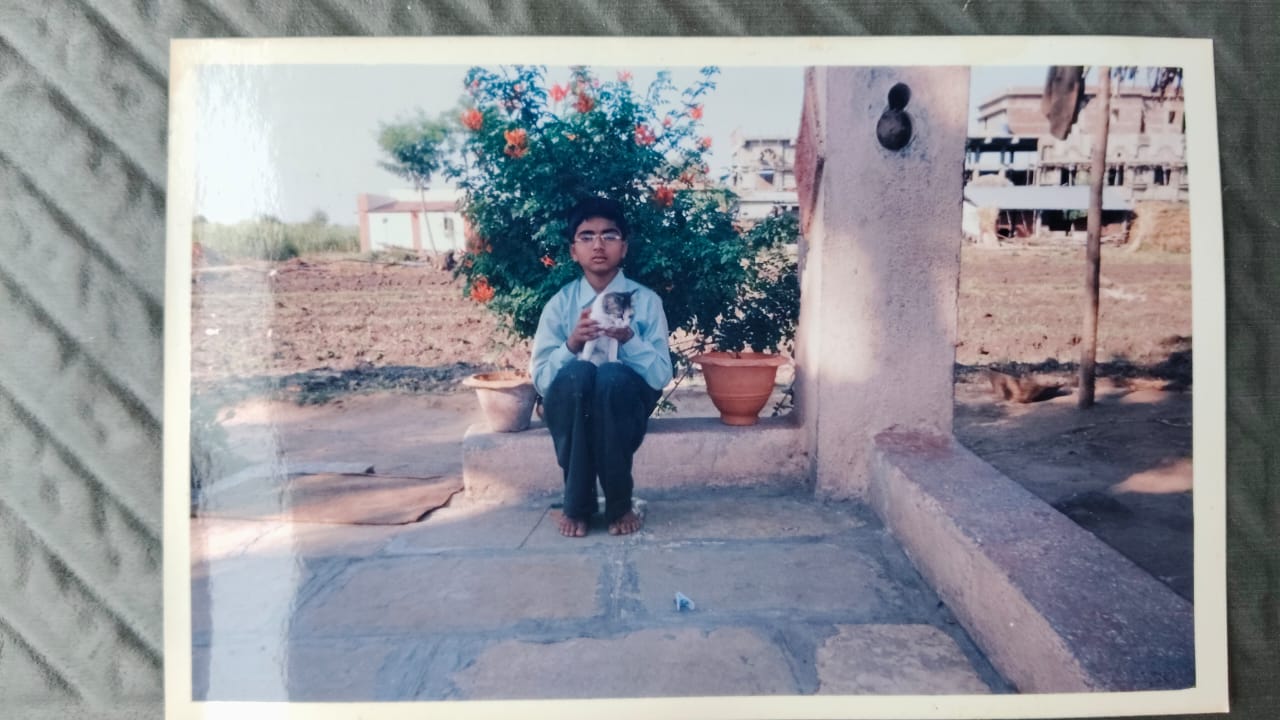
I was born and raised in Sangamner, a small town in Maharashtra.

My father worked at BSNL, and my mother was a homemaker. We were a middle-class family. We did not have a luxurious life, but we never felt that something important was missing.

My parents always believed that education was the best investment they could make for their children.

They worked hard so that we could study without worrying too much about our future.

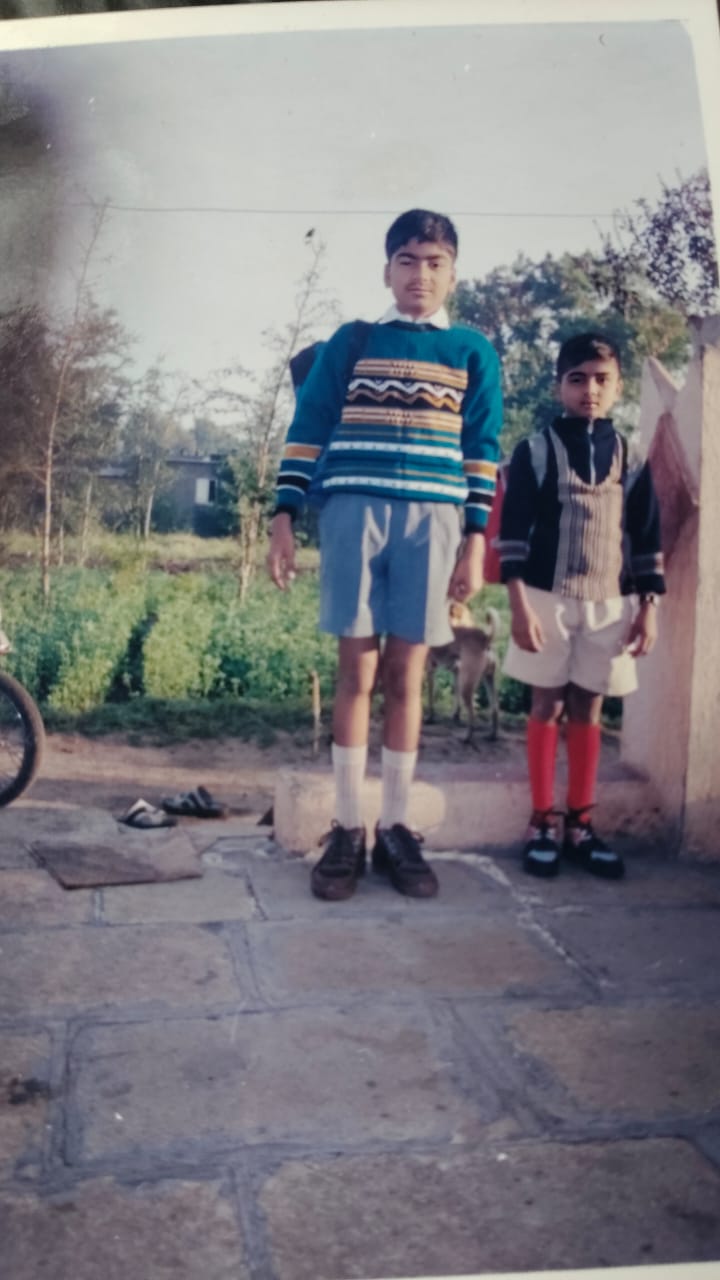
I have two brothers.

Like every Indian family, we had dreams.

My father often used to say that one son would become a doctor, another would become a police officer, and another would become a lawyer.

At that time, nobody in our family imagined that one day I would become a software engineer and build my career in another country.

Life had completely different plans.

My School

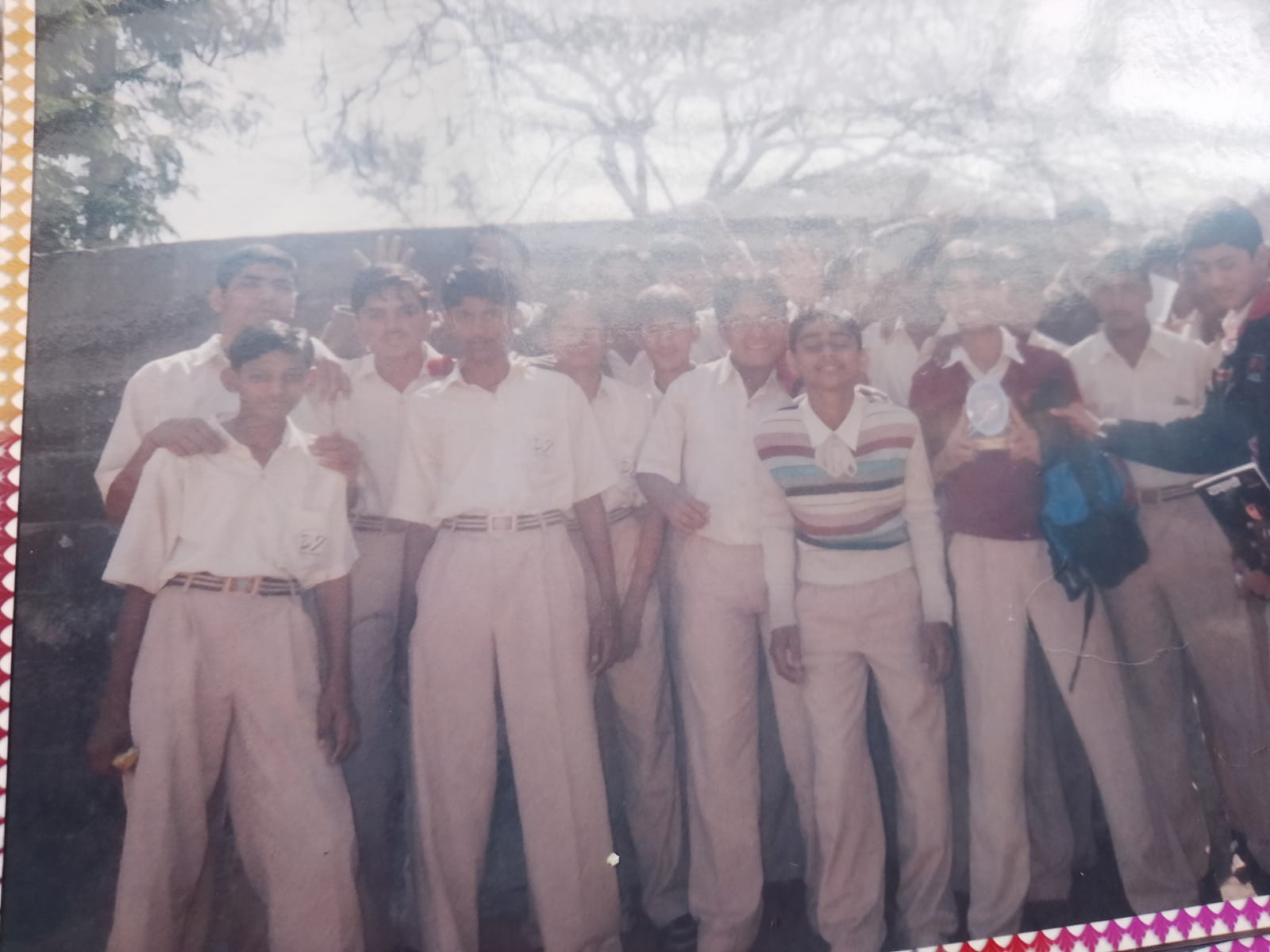
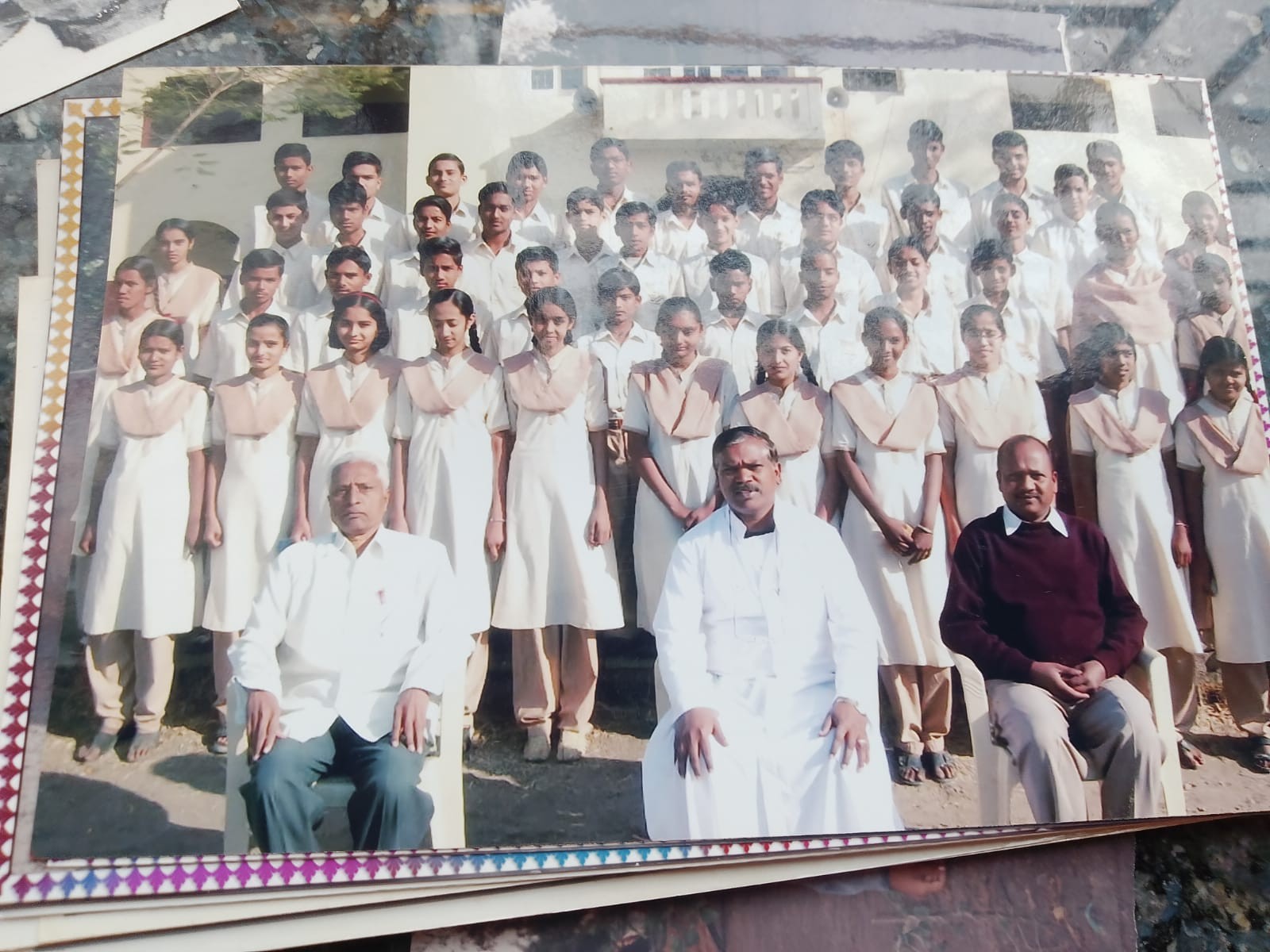
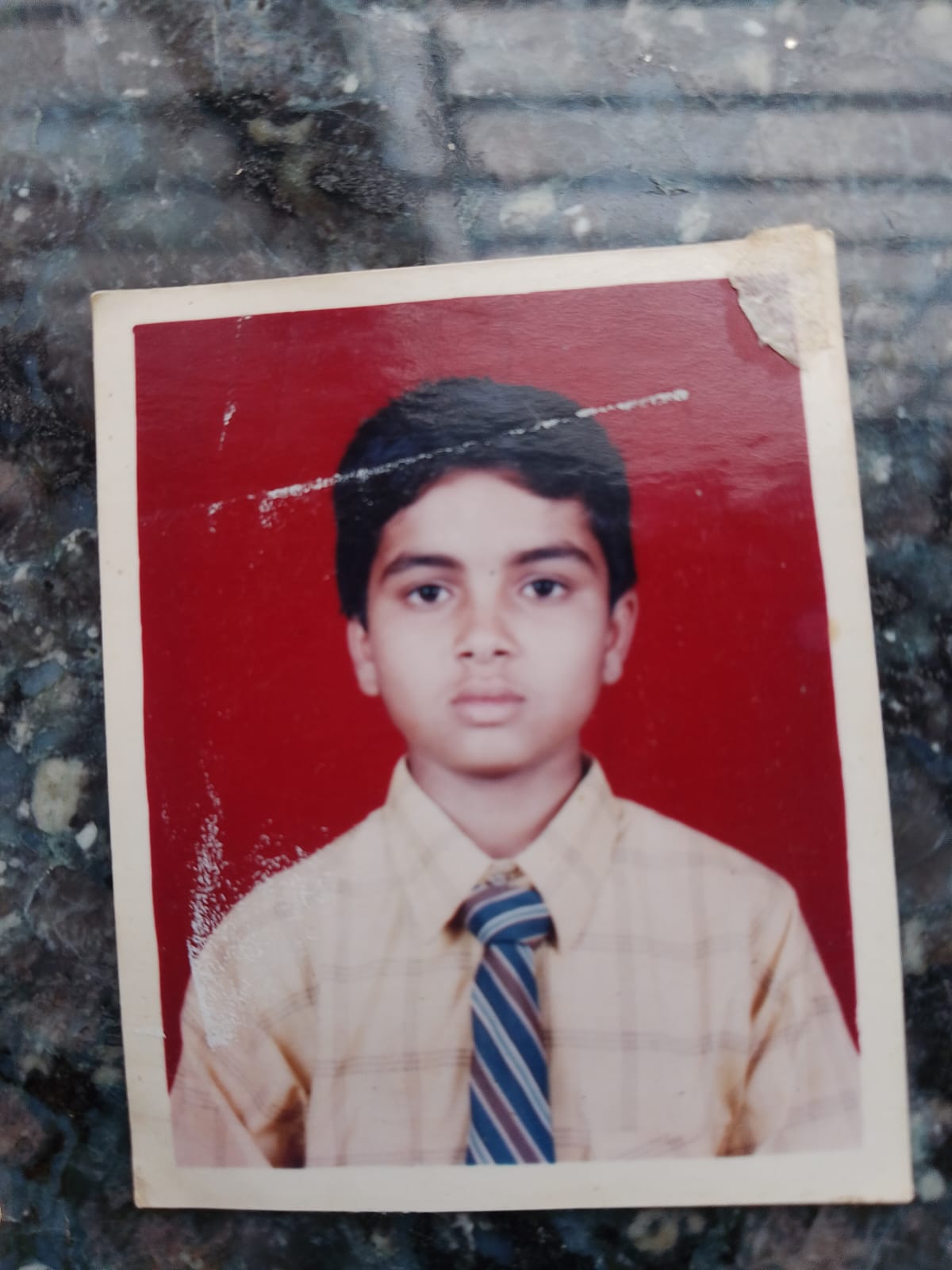
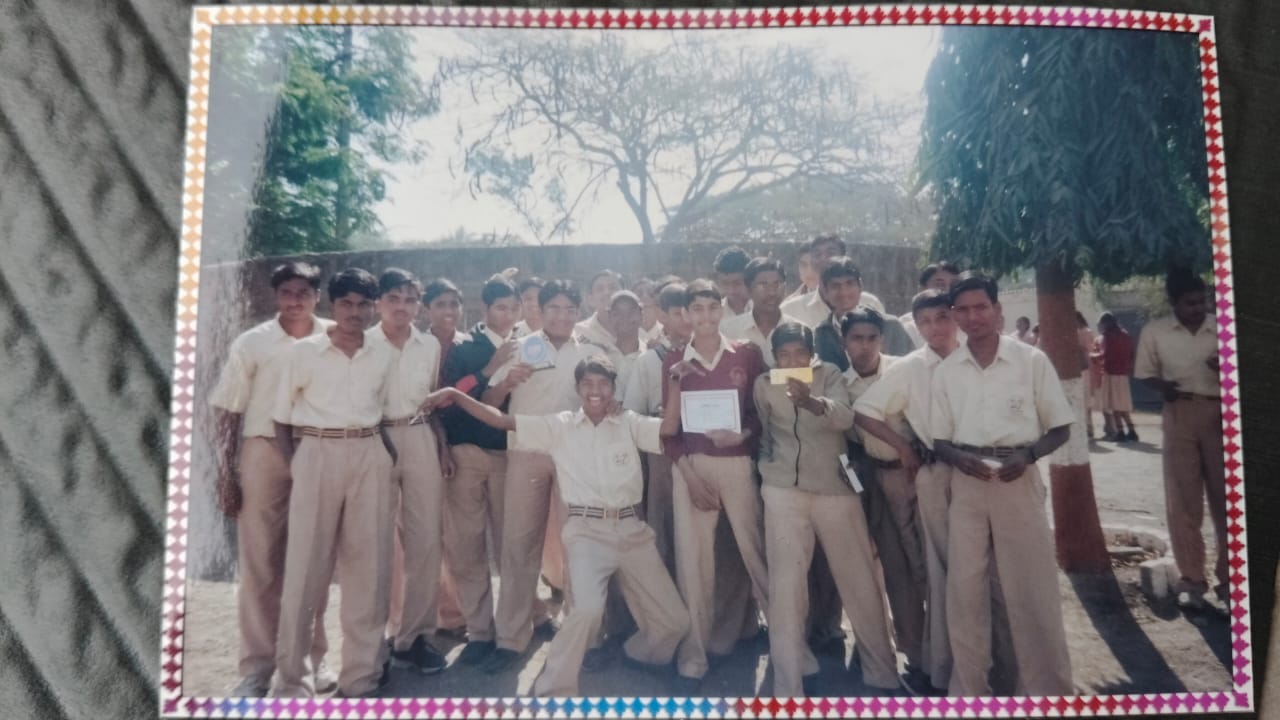
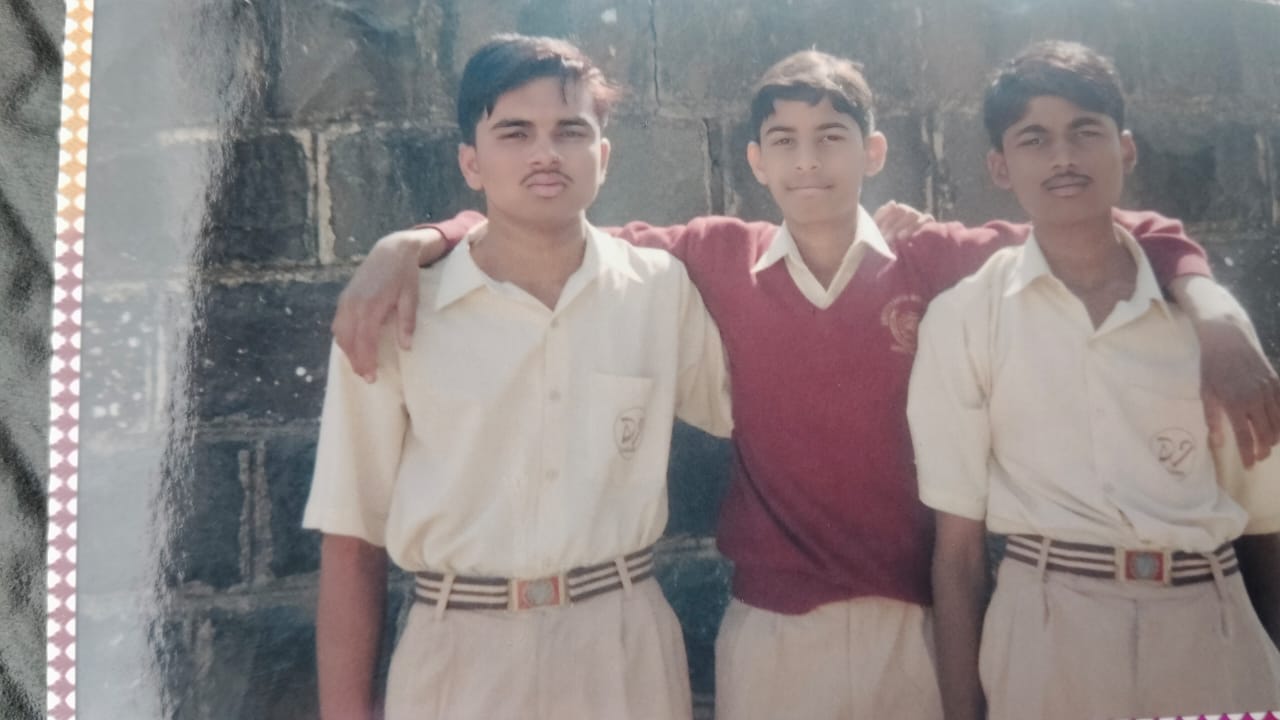
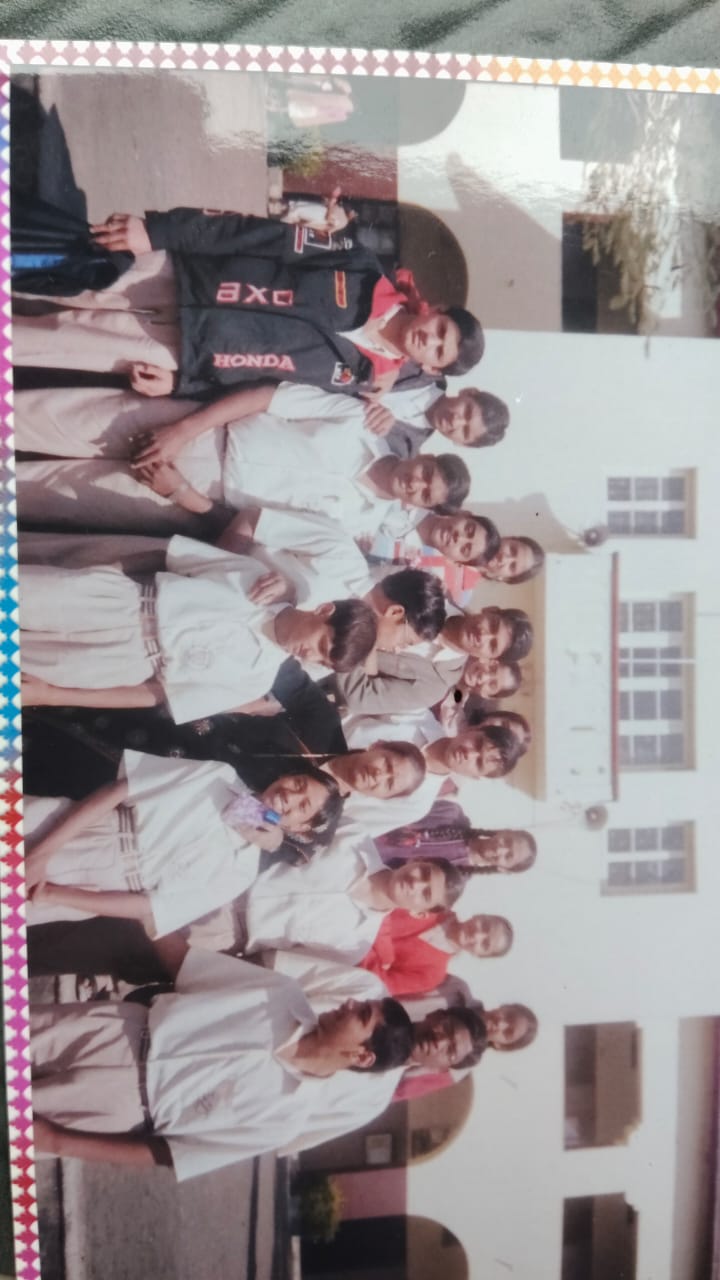
I studied at Gyanmata High School from Junior KG until the twelfth standard.

Almost fourteen years of my life were spent in the same campus.

Whenever I think about my school, I don't remember exams first.

I remember people.

I remember my teachers.

I remember my friends.

I remember the large playground.

I remember the morning prayers.

I remember the classrooms where we laughed much more than we worried.

School never felt like a burden.

It felt like a second home.

One thing I loved about my school was that it encouraged students to do everything.

Sports.

Cultural programs.

Competitions.

Academics.

We were never told that life was only about marks.

Looking back, I realize how important that was.

It helped me become a balanced person.

Football Was My First Love

Before computers came into my life...

there was football.

Our school started around 8:30 in the morning.

But my friends and I reached almost one and a half hours early.

Not because we wanted to study.

Not because teachers asked us to.

We came early because we wanted to play football.

Every single morning.

I honestly cannot remember a day when we didn't play.

Rainy season.

Winter.

Summer.

It didn't matter.

Football happened.

Basketball happened.

Cricket happened.

Sports became a huge part of my childhood.

At that age, I never realized that sports were teaching me valuable lessons.

When you play football, you learn discipline.

You learn teamwork.

You learn patience.

Sometimes you lose.

Sometimes you win.

But every morning, you come back and play again.

Many years later, I realized software engineering works exactly the same way.

Sometimes your code works.

Sometimes it fails.

The important thing is to come back and try again.

Friends Made Childhood Beautiful

One of the greatest gifts of my childhood was friendship.

We didn't need expensive toys.

We didn't need mobile phones.

We didn't need social media.

If one friend had a bicycle, everyone rode it.

If someone brought a cricket bat, it belonged to the whole group.

Our happiness was very simple.

School ended.

Homework finished.

Then everyone gathered outside.

Cricket.

Football.

Cycling.

Walking around Sangamner.

Talking about random things.

Those moments seemed ordinary then.

Today they feel priceless.

02Summers, Family, and the First Spark

Summer Vacations

If someone asks me about the happiest memories of my childhood, I will always talk about my summer vacations.

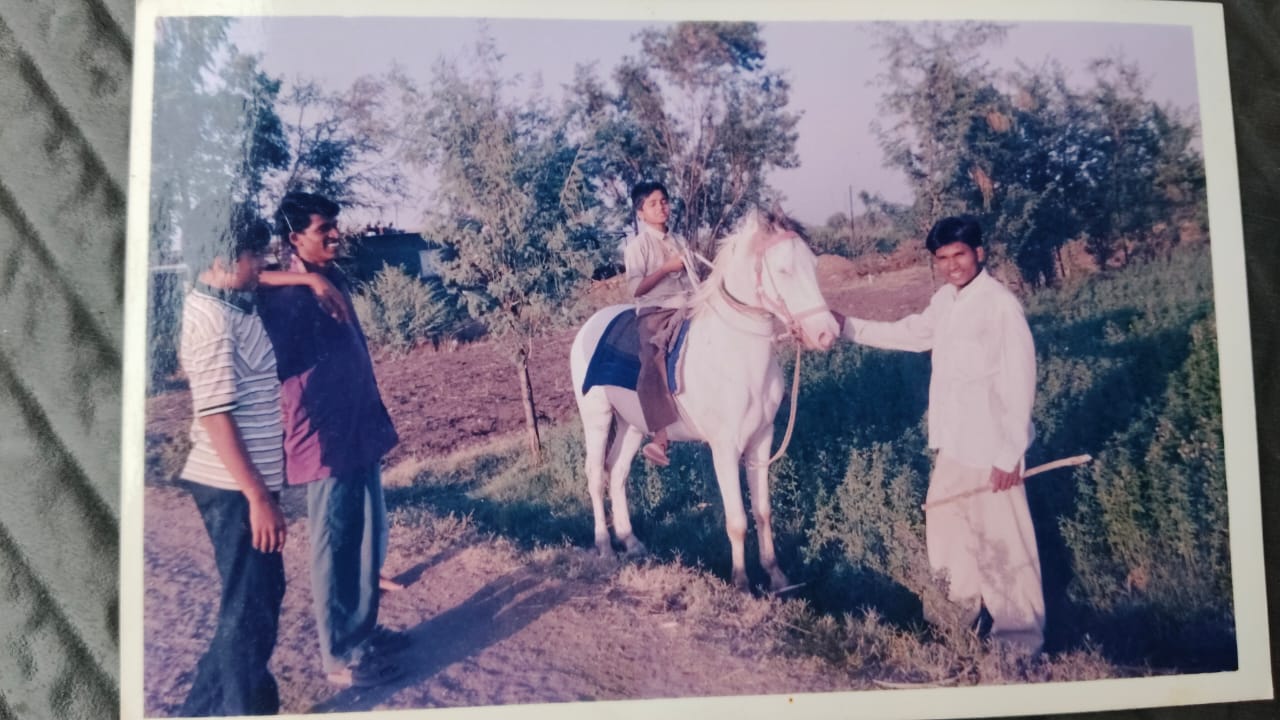
Every year my grandfather came to Sangamner to take me to my maternal village near Kopargaon.

It was never a question.

It was a tradition.

I already knew my cousins would be waiting.

The moment we reached the village, everything changed.

There were no school bags.

No homework.

No exams.

Only freedom.

We climbed mango trees.

We picked raw mangoes before anyone noticed.

Sometimes we got caught.

Sometimes we didn't.

We ran through farms until sunset.

We came home tired, ate together, and slept peacefully.

The next morning, we did exactly the same thing again.

Looking back today, I feel lucky.

Children today have access to much more technology.

But we had something different.

We had time.

Time to play.

Time to imagine.

Time to build relationships.

Those memories still make me smile.

My Father's Discipline

My father was a very disciplined person.

Working at BSNL was not an easy job.

He worked hard every day, and without saying much, he taught us an important lesson.

Responsibility.

He never forced us to become something.

He only wanted us to study sincerely.

As children, we didn't understand the sacrifices our parents were making.

Today, when I look back, I realize how much they quietly gave up so that we could dream bigger than they ever could.

My mother was equally important.

She took care of everything at home.

Like many Indian mothers, she never asked for recognition.

She simply wanted to see her children succeed.

The First Time I Saw a Computer

One decision made by my school quietly changed my life forever.

Our school introduced computer education from the fourth standard.

Today this sounds normal.

Back then, it was very special.

Computers were rare.

Many families had never even seen one.

We were lucky.

I still remember the excitement of entering the computer lab.

Everything looked magical.

The monitor.

The keyboard.

The mouse.

At that time, I was not thinking about programming.

I was simply curious.

That curiosity became the seed of everything that happened later.

Nobody told me that computers would become my career.

Nobody told me that one day I would write software used by people around the world.

I was simply enjoying learning something new.

Sometimes life changes because of one small opportunity that seems ordinary at that moment.

For me, that opportunity was my school's computer lab.

Looking Back

Until the tenth standard, life was simple.

I studied.

I played sports.

I spent time with friends.

I enjoyed my vacations.

I loved my family.

I was happy.

I had no idea that very soon life would become much more serious.

The next few years would bring disappointment, confusion, financial struggles, and self-doubt.

But they would also introduce me to my true passion.

Technology.

And that passion would change my life forever.

03When Childhood Ended

Until the ninth standard, life was simple.

I never thought much about my future. My world revolved around school, football, cricket, friends, and spending time with my family. I enjoyed studying and was usually among the top three students in my class. My teachers knew me as a good student, and my parents expected me to continue doing well.

Everything seemed to be moving in the right direction.

Then came the tenth standard.

Looking back today, I realize that it was the first time I experienced how quickly priorities can change during adolescence.

Like many teenagers, I experienced my first love. At that age, everything feels new and exciting. Without realizing it, my focus slowly shifted away from academics. I wasn't a bad student, and I didn't stop studying completely, but my priorities were no longer the same.

At sixteen, I didn't understand how important that year would be for my future.

When the results were announced, I scored around 84%.

It was still a good score, and many students would have been happy with it. But for me, it felt different.

Until the ninth standard, I had always been among the top three students in my class. This time, I wasn't even close.

I remember feeling disappointed.

Not because 84% was a poor score, but because I knew I hadn't given my best.

For the first time, I realized that every decision has consequences. Even small changes in priorities can produce very different results.

Today, I don't regret that phase of my life. It was part of growing up.

It taught me that relationships, friendships, and emotions are all beautiful parts of life, but they should never replace our long-term goals.

That lesson stayed with me for the rest of my journey.

Choosing Science

After the tenth standard, I decided to take the Science stream.

At that time, it was the most common choice for students who wanted more career options. Engineering, medicine, and technology all seemed possible through Science.

I joined the same campus where I had studied since childhood.

The school was familiar.

The teachers were familiar.

But life was beginning to feel very different.

The conversations around me had changed.

Instead of talking about football matches or summer vacations, everyone was discussing board exams, entrance tests, engineering colleges, and careers.

For the first time, I felt the pressure of competing with thousands of other students.

Twelfth Standard

If I thought tenth standard was difficult, twelfth standard became even more challenging.

I was still trying to find the right balance between studies, emotions, and understanding what I wanted to do with my life.

Unfortunately, I couldn't regain my earlier momentum.

I scored 63% in my twelfth standard examination.

It was a first-class result, but I knew it was well below my potential.

I was disappointed in myself.

Engineering had always been the obvious next step in my mind.

But my CET score was not good enough to secure admission to a good engineering college.

There was another reality that my family quietly faced.

Finances.

My father worked at BSNL, and supporting an engineering education was not easy. Even if I had received admission, paying the fees would have been a significant challenge.

At that age, I didn't fully understand the sacrifices my parents were making.

Today, I do.

Watching My Friends Move Ahead

After the twelfth standard, most of my friends joined engineering colleges.

Some moved to Pune.

Some joined colleges in nearby cities.

Whenever we met, they talked about campus life, hostels, engineering subjects, and their plans for the future.

I listened quietly.

Inside, I felt as though I had been left behind.

I questioned myself.

"Did I make a mistake?"

"Will I ever catch up?"

Those questions stayed with me for a long time.

Life was taking me on a different path, but I couldn't see that yet.

A New Beginning

One day, someone suggested a course called Bachelor of Computer Science (BCS) to my father.

I already had some exposure to computers because my school had introduced computer education from the fourth standard.

Computers had always fascinated me, but I had never imagined building a career around them.

There was very little career guidance at that time.

No YouTube.

No LinkedIn.

No online mentors.

I simply decided to take the next step that life had placed in front of me.

Looking back today, joining BCS became one of the most important decisions of my life.

At that moment, however, it didn't feel like an opportunity.

It felt like I had settled for a second choice.

I had no idea that this "second choice" would eventually become the foundation of my entire career.

What Life Taught Me

Life doesn't always move in a straight line.

Sometimes we lose focus.

Sometimes we make mistakes.

Sometimes our priorities change.

That doesn't mean our journey is over.

The important thing is to recognize those moments, learn from them, and move forward with greater clarity.

My tenth and twelfth standard results taught me one lesson that stayed with me forever:

Talent alone is never enough. Consistent focus and the right priorities make all the difference.

04A New Beginning: My First Year in BCS

When I joined BCS at Sangamner College, I was carrying mixed emotions.

On one side, I was grateful that I could continue my education.

On the other side, I couldn't stop comparing myself with my friends who had joined engineering colleges.

Every time I met them, they talked about engineering subjects, hostels, college festivals, and their new life.

I smiled and listened, but deep inside I felt that I had taken a different road.

For a long time, I believed it was the wrong road.

Today I know it wasn't.

It was simply my road.

Sangamner College

Sangamner College holds a very special place in my heart.

Whenever people ask me about my education, I always speak with respect about my college and my teachers.

They played a very important role in shaping my future.

When I received admission to BCS, I still had no clear career goal.

I knew I liked computers.

But liking computers and becoming a software engineer are two very different things.

I had no idea what Computer Science really meant.

Programming...

Operating systems...

Algorithms...

Databases...

These words sounded interesting, but I didn't understand any of them.

I had entered a completely new world.

My First Year

If someone asked me today,

"What was your first year like?"

My honest answer would be...

Confusing.

Very confusing.

I attended classes.

I completed assignments.

I passed my examinations.

But I didn't really understand what I was studying.

At the end of my first year, I scored around 64–65%.

Again, it was not a terrible result.

But I knew I was capable of much more.

More importantly, I realized something that worried me.

I still didn't know why I was studying Computer Science.

I was passing subjects without understanding the bigger picture.

Looking back, I think many students experience this.

They study because the syllabus tells them to study.

Not because they understand where that knowledge will be useful.

That was exactly my situation.

I Didn't Even Know HTML

People often assume that because I work in technology today, I must have been good at programming from the beginning.

That is not true.

At the end of my first year, I didn't even know HTML properly.

Programming looked difficult.

Algorithms confused me.

Even C programming felt complicated.

I somehow passed the subjects, but I wasn't confident.

Sometimes I wondered if I had chosen the wrong field.

Maybe Computer Science wasn't for me.

Maybe I should have done something else.

Those thoughts came into my mind many times.

Fortunately, I didn't give up.

Family Expectations

During this time, another responsibility was quietly growing inside me.

My family had many expectations.

My elder brother had not continued his education.

My younger brother's path was also different.

Somewhere inside me, I knew that my parents were hoping I would complete my education and build a stable career.

They never put pressure on me.

They never demanded high marks.

But I could see their hope.

That hope became my responsibility.

I wanted to make them proud.

I just didn't know how.

Problems at Home

Like many middle-class families, we had our own struggles.

Financial challenges.

Personal challenges.

Family responsibilities.

Nothing unusual.

But when you are a student, even small problems can feel very big.

Sometimes it became difficult to concentrate on studies.

Sometimes I wondered whether everything would work out.

Those experiences made me stronger.

They also taught me not to complain.

Every family has its own struggles.

The important thing is to keep moving forward.

A Senior Who Changed My Thinking

Near the end of my first year, something important happened.

I met one of my seniors, Gautam Kanwade.

Looking back, I can confidently say that he was one of the first people who showed me the right direction.

Until then, I was simply attending college.

Gautam gave me practical advice.

He explained what skills I should learn.

What technologies were important.

How I should prepare myself.

For the first time, someone made me believe that there was a clear path ahead.

I still had a lot to learn.

But at least I knew which direction to walk.

Sometimes all we need is one person who says,

"You can do this."

The Beginning of Curiosity

Something slowly started changing inside me.

Instead of studying only for examinations, I began asking questions.

Who invented Java?

Who created C++?

How do operating systems work?

How does the Internet actually function?

How are websites built?

These questions were not part of my syllabus.

Nobody was asking them in examinations.

But I wanted to know.

Without realizing it, curiosity had started replacing fear.

I still wasn't a good programmer.

But I had become a curious learner.

And that made all the difference.

Looking Back

My first year in BCS was not successful if you looked only at my marks.

But it was successful in another way.

It was the year I accepted that I knew very little.

That acceptance became the starting point of my learning.

The biggest obstacle in education is not lack of intelligence.

It is believing that we already know enough.

Once I accepted that I had a lot to learn, my real journey finally began.

What Life Taught Me

There is nothing wrong with not knowing something.

The real problem is pretending that you know.

My first year taught me humility.

It taught me to ask questions.

It taught me to seek guidance.

Most importantly, it taught me that every expert was once a beginner.

I was still a beginner.

But for the first time, I was moving in the right direction.

The best part of my journey had not even started yet.

Because very soon, one incident inside a computer laboratory would completely change my life.

05The Day That Changed My Life

Sometimes people ask me,

"What was the turning point in your life?"

Many expect me to say getting my first job, moving to Pune, or coming to the United States.

But my real turning point happened much earlier.

It happened inside a computer lab at Sangamner College.

At that time, I was still an average student.

My first-year marks were ordinary.

I was not known for academics.

Most teachers probably saw me as another student who was not serious about his future.

To be honest, they were not completely wrong.

I had not yet found my direction.

An Ordinary Day

It was just another day at college.

A practical session was going on in the computer lab.

I entered the lab while another batch was working.

I wasn't there to create trouble. Like many college students, I was talking to friends and spending time with them.

One of the professors, Deepa Geete Madam, looked at me and asked me to leave the lab.

"Gunjal, please get out of the lab."

Those words were simple.

But they hit me very hard.

I quietly walked out.

I didn't argue.

I didn't complain.

I didn't react.

But inside, something changed forever.

It Wasn't Anger

Many people think moments like this create anger.

In my case, it created something different.

It created determination.

As I walked out of the lab, one thought kept repeating in my mind.

"People only know the student they see today."

"They don't know who I was before."

Until the ninth standard, I had always been among the top students.

But nobody in college knew that.

They only knew the first-year version of me.

And honestly, I had given them no reason to think differently.

That realization was painful.

But it was also fair.

Respect has to be earned.

Looking at Myself Honestly

That evening, I asked myself some difficult questions.

Why were my marks falling?

Why had I lost focus?

Why did I still not know what I wanted to do?

Instead of blaming anyone else, I decided to look at myself honestly.

The truth was simple.

I had not given my best.

I had been attending college.

I had been passing exams.

But I was not fully committed to learning.

That had to change.

A Promise to Myself

That day, I made a promise.

I never told anyone about it.

I didn't announce it.

I simply made a quiet decision.

"I will answer with my work."

Not with arguments.

Not with complaints.

Not with excuses.

With results.

I wanted people to recognize me because of my knowledge, not because of my words.

That promise became my motivation.

A New Routine

The next few months looked very different.

I became more serious about my studies.

But something even more important happened.

I stopped studying only to pass examinations.

Instead, I wanted to understand.

If I learned Java, I wanted to know why Java was created.

If I learned C++, I wanted to know how it was different from C.

If I studied operating systems, I wanted to know how computers actually worked.

For the first time in my life, learning became enjoyable.

Nobody had forced me.

Curiosity had taken over.

Building My Own Computer Lab

Around this time, I started doing something that many people found unusual.

I converted part of my room into my own learning space.

I requested my father to buy a printer.

Whenever I found something interesting about computers, I printed it.

I printed pictures of technology pioneers.

I printed information about programming languages.

I printed the history of computers.

I wanted to know everything.

Who created Java?

Who developed C++?

Who invented PHP?

How did Linux begin?

How did the Internet grow?

Soon, my room looked different.

The walls were filled with pictures and notes about technology.

Some people decorate their rooms with movie stars or sports personalities.

I decorated mine with computer scientists.

Every day, those pictures reminded me of what I wanted to become.

Learning Before College Started

My curiosity kept growing.

Whenever one semester ended, I didn't wait for the next semester to begin.

During every vacation, I started studying the subjects of the next semester.

If Java was coming in the next semester, I learned Java before college started.

If another programming language was coming, I tried to understand it in advance.

When classes began, I was already familiar with the subject.

For the first time, I wasn't trying to keep up with the class.

I was ahead of it.

That gave me confidence.

Confidence Through Practice

Programming slowly became easier.

I spent hours writing code.

Sometimes it worked.

Sometimes it didn't.

Whenever I got stuck, I searched for answers.

At that time, Google and Stack Overflow became my teachers.

I copied very little.

I preferred understanding why the code worked.

If I used someone else's solution, I tried to understand every line before using it.

This habit helped me much more than I realized.

Years later, during technical interviews, that deep understanding became one of my biggest strengths.

The Difference Between Passing and Learning

Earlier, my goal had been simple.

Pass the examination.

Now my goal was different.

Become a software engineer.

That small change completely changed the way I studied.

Marks became a result.

Learning became the purpose.

Once I changed my purpose, the results started changing automatically.

Looking Back

Today, when I think about that day in the computer lab, I don't feel bad.

In fact, I feel grateful.

If that incident had never happened, maybe I would have continued the same way.

Maybe I would have remained an average student.

Sometimes life pushes us in uncomfortable ways.

At that moment, it feels unfair.

Years later, we realize it was exactly what we needed.

That day taught me one of the most important lessons of my life.

Nobody owes us recognition.

If we want respect, we have to earn it.

And the best way to earn it is through consistent hard work.

What Life Taught Me

One difficult moment can change your life.

Not because of what happened.

But because of how you respond to it.

I could have blamed my teacher.

I could have remained angry.

Instead, I chose to improve myself.

Looking back, I think that was one of the best decisions I ever made.

Sometimes the people who challenge us the most also help us grow the most, even if they never realize it.

06Learning Beyond the Syllabus

After the incident in the computer lab, my mindset completely changed.

Earlier, I studied because I had to.

Now, I studied because I wanted to.

For the first time in my life, I wasn't chasing marks.

I was chasing knowledge.

That small difference changed everything.

Finding the Right Mentor

Every successful person has someone who changes the direction of their life.

For me, one of those people was my senior, Gautam Kanwade.

Until then, I was studying without a clear plan.

I attended classes.

I completed assignments.

I passed exams.

But I didn't know what skills were important if I wanted to build a career in software.

Gautam changed that.

He shared his experiences with me.

He suggested what I should learn outside the classroom.

He explained what companies expected from students.

Most importantly, he made me believe that a student from Sangamner could build a successful career in technology.

Sometimes a mentor doesn't give you answers.

They simply show you the right direction.

The rest of the journey is yours.

Curiosity Became My Habit

From my second year onward, curiosity became part of my daily routine.

Whenever I learned a programming language, I wanted to know its history.

Who created it?

Why was it created?

What problem was it trying to solve?

When I started learning Java, I didn't stop after writing simple programs.

I wanted to understand how Java worked.

When I learned PHP, I wanted to know why people loved using it for web development.

When I learned C++, I became interested in object-oriented programming and how software was designed.

I realized something very important.

Every technology has a story.

Once you understand that story, learning becomes much easier.

My Room Became My Classroom

One day I asked my father if we could buy a printer.

He agreed.

That printer became one of the best investments of my student life.

Whenever I found something interesting, I printed it.

Pictures of Bill Gates.

James Gosling.

Bjarne Stroustrup.

Dennis Ritchie.

The creators of Linux.

The history of computers.

Programming language timelines.

Operating system diagrams.

Slowly, the walls of my room were covered with technology.

Anyone walking into my room would immediately know what interested me.

Those posters were more than decoration.

They reminded me every day of the world I wanted to be part of.

Learning Before Everyone Else

I developed a habit that stayed with me throughout college.

Every semester ended with a vacation.

Most students used that time to relax.

I used those weeks to prepare for the next semester.

If Java was going to be taught in the next semester, I started learning Java before college reopened.

If PHP was next, I started PHP early.

When classes finally started, I already understood the basics.

Instead of hearing a concept for the first time in class, I was hearing it for the second time.

That made a huge difference.

Learning became easier.

Confidence increased.

I began asking questions in class instead of simply taking notes.

Programming Started Making Sense

During my first year, programming looked impossible.

Now it slowly started becoming enjoyable.

I still remember one small moment.

I was creating HTML tables with nested rows and columns.

At first, I had to look at examples every time.

Then one day I realized I could write them from memory.

It was a small achievement.

But it gave me confidence.

For the first time, I felt that programming wasn't magic.

It was simply a skill.

And like every skill, it could be learned through practice.

That realization changed everything.

Never Waiting for the Teacher

One lesson I learned early was that college alone would never be enough.

Teachers can guide you.

But they cannot learn on your behalf.

Whenever I found a good class, seminar, or workshop, I attended it.

One local teacher, Nilesh Dinkar, helped me understand programming in a much better way.

Whenever he came to Sangamner, I joined his sessions.

I wanted to learn from anyone who knew more than me.

Looking back, I think this was one of my biggest strengths.

I never worried about where knowledge came from.

If someone could teach me something useful, I was ready to learn.

Group Study

As my understanding improved, something interesting happened.

Friends started approaching me with questions.

We formed a small group.

We discussed programming together.

We solved practical assignments together.

We shared notes.

Instead of competing with each other, we helped each other.

Gradually, our entire batch became more interested in programming.

People started recognizing our group because we genuinely enjoyed learning.

That experience taught me another lesson.

Knowledge grows when it is shared.

My First Real Project

One day I noticed that my father often struggled with work related to BSNL.

Many services required forms and repetitive processes.

I started thinking.

"What if software could make this easier?"

For our college project, many students copied existing projects.

I decided not to.

Instead, I built a web application for telecom services based on a real problem my father faced.

It allowed users to perform different telecom-related activities online.

Today it may sound like a simple project.

But for me, it was much more than that.

It was the first time I had built software that solved a real problem.

I wasn't just writing code anymore.

I was solving someone's problem.

That project changed the way I looked at software engineering.

I realized software is not about programming.

Software is about helping people.

Discovering PHP

During this time, I also fell in love with PHP.

Many people preferred other technologies.

But I enjoyed PHP because it allowed me to build working applications quickly.

I started experimenting with databases, forms, login systems, and web applications.

Sometimes I spent hours trying different ideas.

Many of them failed.

Some of them worked.

Every failure taught me something new.

I wasn't afraid of making mistakes anymore.

I was learning faster than ever.

The Results Started Changing

Something interesting happened during my second year.

People who knew me only as an average student began noticing a change.

Teachers started asking more questions in class.

Friends came to me for help.

Programming, which had once frightened me, had become my favorite subject.

Most importantly, I had found something I genuinely loved doing.

The marks also started improving.

Not because I was chasing them.

Because understanding naturally produces better results.

Looking Back

Today, when students ask me the secret behind my success, they expect me to mention some advanced technology.

But the truth is much simpler.

I became curious.

Curiosity made me study.

Studying built confidence.

Confidence made me build projects.

Projects opened opportunities.

Everything started with curiosity.

What Life Taught Me

Your syllabus gives you a degree.

Your curiosity builds your career.

The day I stopped studying only for exams and started learning because I wanted to understand, my life changed completely.

That decision shaped everything that came after.

It eventually led me to become the batch topper, move to Pune, and begin a career I had once thought was impossible.

07Becoming the Batch Topper

When I entered the second year of BCS, I was no longer the same student.

The change was not visible from the outside.

I still attended the same college.

I still sat in the same classrooms.

I still met the same teachers.

But inside, something had completely changed.

I had stopped comparing myself with engineering students.

Instead, I started competing with myself.

Every semester, I wanted to become a little better than I was in the previous one.

That became my only goal.

Learning Became Fun

Something interesting happened during my second year.

I stopped studying because I had to.

I started studying because I enjoyed it.

Programming no longer looked difficult.

Every new concept felt like solving a puzzle.

I would spend hours writing small programs just to see what would happen.

Sometimes they worked.

Sometimes they didn't.

But every mistake taught me something.

Earlier, I was afraid of making mistakes.

Now I welcomed them.

Because every bug was teaching me something new.

Preparing Before Everyone Else

One habit made a huge difference.

I never waited for the semester to begin.

During every vacation, I started studying the subjects of the next semester.

When Java was introduced in class, I had already written dozens of Java programs.

When PHP became part of my learning, I had already started building small websites.

When teachers explained a topic, I was not hearing it for the first time.

I was revising it.

That gave me tremendous confidence.

For the first time, I started answering questions in class.

Teachers noticed the change.

My classmates noticed it too.

Sharing Knowledge

As my confidence grew, more students started asking me for help.

We began studying together.

If I solved a programming problem, I explained it to others.

If someone discovered a better solution, they explained it to me.

Slowly, our entire group became serious about programming.

People often think helping others slows your own progress.

My experience was exactly the opposite.

Every time I explained something to someone else, my own understanding became stronger.

Teaching became another way of learning.

I didn't know it then, but this would later become one of my biggest passions.

Solving Real Problems

During my final year, we had to build a major project.

Many students searched for ready-made projects.

Some copied existing work.

I wanted to build something different.

My father worked at BSNL.

Every day I watched people struggle with forms, applications, and different telecom services.

That became my inspiration.

I built a web application that simplified many of those activities.

It was not a commercial product.

It never went live.

But it solved a real problem.

That project completely changed the way I thought about software.

Software was not about writing code.

Software was about solving problems.

That lesson has stayed with me throughout my career.

Even today, whenever I start a new project, I first ask myself one question.

"What problem am I solving?"

Everything else comes later.

Confidence Through Creation

Completing that project gave me a confidence I had never experienced before.

Until then, I knew I could write programs.

Now I knew I could build systems.

That was a completely different feeling.

It was the first time I truly believed that I could become a software engineer.

Looking back, I think every student should build at least one project that solves a real problem.

It teaches lessons that no textbook can.

The Result Day

Finally, the day arrived.

Our BCS results were announced.

I still remember that moment.

I wasn't expecting anything extraordinary.

I simply wanted to see whether my hard work had made a difference.

It had.

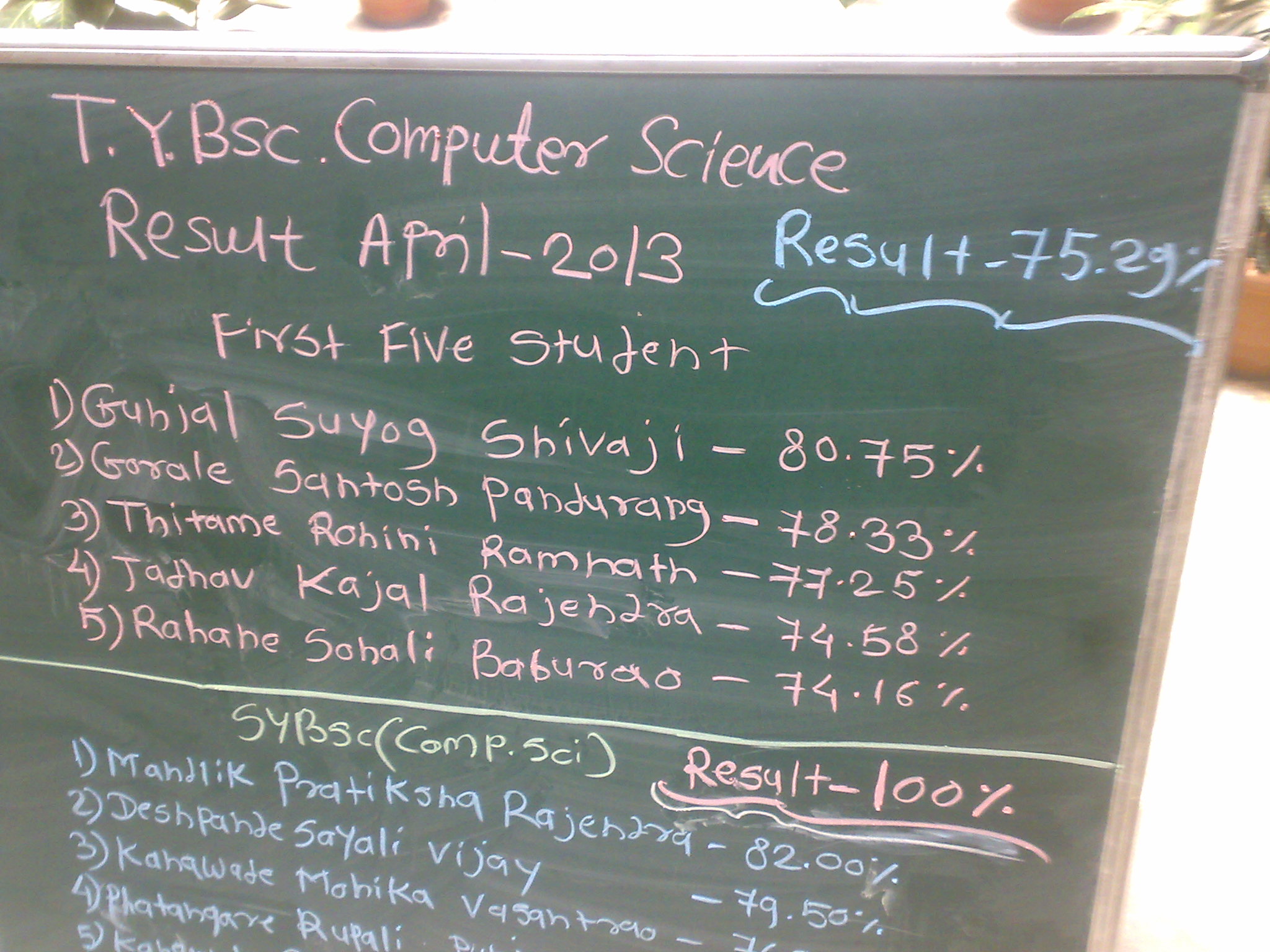
I had become the BCS Batch Topper.

I scored around 84%, while there was a significant gap between my score and the next highest score.

For a few moments, I couldn't believe it.

The same student who had struggled during the first year...

The same student who had once been asked to leave the computer lab...

The same student who didn't even know HTML properly...

Had now become the topper of the entire batch.

It was one of the happiest moments of my life.

Not because of the rank.

Because it proved something to me.

Hard work works.

Not immediately.

Not magically.

But if you continue long enough, the results eventually appear.

A Different Relationship with My Teachers

One of the most satisfying parts of that journey was seeing how my relationship with my teachers changed.

The teachers who had once questioned my seriousness now encouraged me.

Many of them congratulated me.

Some even asked me what had changed.

The answer was simple.

Nothing outside had changed.

I had changed.

When your mindset changes, your life starts changing with it.

I have always respected my teachers.

Even the incident in the computer lab no longer felt painful.

Instead, I saw it as one of the events that pushed me to become better.

Sometimes life sends us difficult moments for a reason.

We understand that reason much later.

My First Job Offer

Around the same time, a company called Patni visited our college for campus recruitment.

I attended the interview and was selected.

Receiving that offer letter felt amazing.

For the first time, I could see a direct path from college to a professional career.

But then something unexpected happened.

I spoke to my seniors.

One of them gave me advice that changed my future.

He said,

"Don't stop here. Complete your MCS. Pune has much bigger opportunities. If you want to build a long-term career, continue your education."

That advice stayed in my mind.

I had worked hard to earn a job.

Now I had another difficult decision to make.

Should I start earning immediately?

Or should I study further?

It was not an easy decision.

Our family was already managing financial challenges.

Another two years of education meant more expenses.

More uncertainty.

More sacrifice.

But somewhere inside me, I knew my journey was not complete.

I wanted to learn more.

I wanted to challenge myself.

I wanted to see what was possible beyond Sangamner.

So I made one of the biggest decisions of my life.

I decided to move to Pune and pursue my Master of Computer Science (MCS).

At that moment, I had no idea how difficult that journey would become.

Looking Back

Becoming the batch topper gave me confidence.

But more importantly, it gave my parents confidence.

For the first time, they could see that Computer Science was not my second choice anymore.

It had become my passion.

That result was not the end of my struggle.

It was the beginning of a much bigger journey.

A journey that would take me to Pune, Fergusson College, and eventually to places I had never even imagined.

What Life Taught Me

Success is rarely one big moment.

It is the result of hundreds of small decisions made every single day.

Study one more hour.

Read one more book.

Write one more program.

Ask one more question.

Help one more friend.

Those small actions changed my life.

Looking back, becoming the batch topper was not the greatest achievement.

The greatest achievement was discovering that I had the ability to learn anything if I was willing to work hard enough.

That belief stayed with me for the rest of my career.
08The Journey to Pune

Becoming the BCS batch topper was one of the happiest moments of my life.

For the first time, I felt that I had found my direction.

I knew I wanted to build my career in software.

But one question still remained.

What next?

I had already received a job offer from Patni during campus placement.

For many students, that would have been the end of the journey.

For me, it became the beginning of another difficult decision.

One Conversation Changed My Mind

After my results, I spoke to a few seniors.

One of them told me something that stayed with me forever.

He said,

"If you really want to build a strong career in software, complete your MCS. Pune has opportunities that you won't find here."

That sentence kept playing in my mind.

I had worked hard to get a job.

But now someone was asking me to study for two more years.

It sounded risky.

Very risky.

Our family was already facing financial challenges.

Starting a job would immediately reduce some of that burden.

Continuing my education meant asking my parents to sacrifice even more.

For several days, I couldn't decide.

My Father's Wish

My father was practical.

He wanted me to start working.

From his point of view, it made perfect sense.

I already had a degree.

I already had a job opportunity.

Why study more?

He never stopped me.

He simply looked at the situation as a father who had responsibilities.

Today, after becoming a parent myself, I completely understand what he was thinking.

He wasn't stopping my dreams.

He was protecting our family.

My Mother Believed in Me

My mother quietly supported me.

She understood that I wanted to study further.

She knew how passionate I had become about computers.

Whenever I think about that phase of my life, I remember her silent support.

Sometimes parents don't need to give long speeches.

Sometimes believing in your child is enough.

That belief gave me courage.

Education Was Not Free

Many people think that getting admission is the biggest challenge.

For us, paying for it was the real challenge.

The fees.

The hostel.

Food.

Books.

Travel.

Everything required money.

Money that was not easy for our family.

My education had already been supported through loans.

Every new step meant another financial commitment.

I knew this.

That is why deciding to study further was not an emotional decision.

It was a family decision.

One that required sacrifice from everyone.

Selling the Family Vehicle

There is one memory from that time that I can never forget.

To arrange money for my first year's fees, our family decided to sell our vehicle.

It was not an expensive luxury car.

It was simply one of the valuable things our family owned.

When the vehicle was sold, I remember posting a message on Facebook saying goodbye to it.

At that time, it felt emotional.

My friends commented,

"Don't worry. One day you'll buy many more."

Those words stayed with me.

Looking back today, I realize that the vehicle was much more than transportation.

It represented my family's sacrifice.

Every time I paid my college fees, I reminded myself that someone at home had given up something so that I could continue studying.

That responsibility pushed me to work even harder.

I couldn't afford to waste this opportunity.

The Entrance Exams

Getting into a good college in Pune was not easy.

I appeared for entrance examinations conducted by different colleges.

Every exam felt important.

Every result increased my anxiety.

I wanted admission to Fergusson College.

I had heard so much about it.

Its reputation.

Its students.

Its placements.

Its environment.

Somewhere inside me, I believed that Fergusson could change my life.

When the first admission list was announced, my name was not there.

I was disappointed.

I couldn't understand why.

Later I realized that competition was extremely high.

I couldn't simply sit and wait.

Time was running out.

So I took admission at Wadia College to make sure I didn't lose an academic year.

It wasn't my first choice.

But it was a practical decision.

Another Surprise

Just when I had accepted that I would study at Wadia, another surprise arrived.

A new admission list for Fergusson College was announced.

This time...

My name was there.

I couldn't believe it.

Now I had another problem.

I had already paid fees at Wadia.

Cancelling the admission meant losing money.

Joining Fergusson required arranging more money immediately.

For a middle-class family, every thousand rupees mattered.

My mother contacted relatives in Pune.

Somehow, with everyone's help, we arranged the remaining amount.

Looking back, I realize how many people quietly helped me during that phase of life.

Success is never an individual achievement.

It is built on the support of many people.

My First Experience of Pune

Until then, Pune was almost a different world for me.

I had visited only a few times.

I didn't know the roads.

I didn't know the traffic.

I didn't know anyone.

The day I travelled to complete my admission, another unexpected challenge appeared.

The city was crowded because of the Palkhi procession.

Traffic had almost stopped.

My bus remained stuck for hours.

I kept looking at the time.

Admission would close if I didn't reach the college before the deadline.

I remember feeling completely helpless.

There was nothing I could do except wait.

Finally, after what felt like forever, I reached Pune.

I almost ran to complete my admission.

When everything was finally done, I felt a huge sense of relief.

One more obstacle had been crossed.

Leaving Sangamner

The day I left Sangamner for Pune was emotional.

This was the town where I had spent almost my entire life.

My family.

My friends.

My teachers.

Everything familiar was here.

Now I was leaving all of it behind.

I was excited.

I was nervous.

I was also afraid.

Could I survive in a bigger city?

Would I fit in?

Would I succeed?

I didn't know the answers.

But I knew one thing.

If I wanted to grow, I had to leave my comfort zone.

Every big dream begins with one uncomfortable step.

Mine was the journey from Sangamner to Pune.

I didn't know it then, but Pune was about to change my life forever.

Looking Back

Whenever I think about my journey to Pune, I don't remember only the admission.

I remember my family's sacrifices.

My mother's support.

My father's silent worries.

The relatives who helped us.

The vehicle that was sold.

The loans.

The uncertainty.

All of those sacrifices gave me one responsibility.

To make them worthwhile.

Failure was no longer just my personal failure.

It would have been a failure of everyone who believed in me.

That thought became my biggest motivation.

What Life Taught Me

Dreams are never achieved alone.

Behind every successful student, there is a family making silent sacrifices.

Parents who postpone their own dreams.

Relatives who offer support.

Teachers who encourage.

Friends who believe.

Whenever people appreciate my success today, I remember those days.

Because I know that my journey to Pune was not mine alone.

It belonged to everyone who believed in me before I had achieved anything.

Sometimes the greatest investment a family makes is not money.

It is faith.

09Pune Changed My Life

When I arrived in Pune, I was excited.

At the same time, I was nervous.

Everything was new.

The roads.

The traffic.

The people.

The colleges.

Coming from Sangamner, Pune felt like a completely different world.

I had never imagined that one day I would study here.

Now I was standing in one of the city's most respected colleges.

I knew one thing.

I had not come here just to get another degree.

I had come here to change my life.

Fergusson College

The first few weeks were difficult.

I was no longer the best student in the classroom.

Almost everyone around me was talented.

Many students had stronger academic backgrounds.

Some had already built projects.

Some spoke fluent English.

Some were already discussing technologies that I had never heard about.

For a few days, I wondered if I really belonged there.

Then I remembered something.

I had felt exactly the same way when I joined BCS.

And I had overcome it.

I told myself,

"Don't compare yourself with anyone. Just keep learning."

That became my approach throughout MCS.

I Made a Plan

Before classes even started, I made a plan for myself.

The MCS program was only two years.

The last semester was mainly for internship and project work.

That meant I had very little time.

I divided my goal into three parts.

First, build strong technical skills.

Second, build real projects.

Third, get a good placement.

Every decision I made in Pune followed this plan.

Whenever I was confused about whether to attend an event or join a course, I asked myself one question.

"Will this help me become a better engineer?"

If the answer was yes, I did it.

Discovering Android

During my BCS days, I had attended a two-day Android seminar at Amrutvahini Engineering College.

That seminar had planted a small seed in my mind.

I still remember watching the instructor build a simple Android application.

It looked magical.

I thought,

"One day I want to build mobile apps too."

After coming to Pune, I decided that I wouldn't just learn Android.

I would master it.

I joined a formal Android course.

One of my instructors, Anshul Verma, explained Android in a very practical way.

Things that had looked confusing earlier suddenly became clear.

For the first time, I felt confident building applications on my own.

That confidence changed everything.

Learning by Building

I have always believed that the best way to learn programming is by building something.

So I started creating Android applications.

At first they were simple.

A calculator.

A feedback system.

Small experiments.

But every project taught me something new.

I didn't have expensive servers.

I didn't have cloud platforms.

I used my own laptop.

I wrote my own PHP web services.

I connected my Android application to my laptop over the same Wi-Fi network.

When I saw my application communicate with my server for the first time, I was thrilled.

It was a small achievement.

But it proved that I could build complete systems.

That feeling is difficult to describe.

Google Became My Teacher

People often ask me,

"Who taught you all these technologies?"

The answer is simple.

Many people did.

My college.

My mentors.

Books.

Friends.

But one teacher was always available.

Google.

Whenever I got stuck, I searched.

I read blogs.

Documentation.

Forums.

Stack Overflow.

Sometimes it took hours to solve one problem.

Sometimes I solved it in minutes.

I never saw getting stuck as failure.

I saw it as part of learning.

Even today, after many years in the software industry, that habit has never changed.

Good engineers are not the ones who know everything.

They are the ones who know how to learn.

My Daily Routine

My days became very busy.

College during the day.

Self-study in the evening.

Programming at night.

Sometimes seminars.

Sometimes workshops.

Sometimes technical discussions with friends.

Many weekends were spent learning instead of relaxing.

People often ask me,

"Weren't you tired?"

Of course I was.

But when you enjoy what you are learning, it doesn't feel like a burden.

It feels like progress.

I wasn't studying because someone was forcing me.

I was studying because I wanted to become better.

Learning from Great Teachers

One of the biggest advantages of coming to Pune was meeting amazing teachers.

I attended classes conducted by Piyush Sir.

Later I joined Gokhale Sir's Linux and Unix sessions.

Those classes changed the way I looked at software engineering.

Until then, I thought programming meant writing code.

They showed me a much bigger picture.

Operating systems.

System programming.

Software architecture.

Engineering discipline.

History of computing.

I realized that software engineering was much deeper than I had imagined.

These teachers didn't just teach technology.

They inspired curiosity.

Sleeping Less, Learning More

There was a phase when I became completely obsessed with learning.

After listening to Gokhale Sir's journey, I was inspired by his work ethic.

For some time, I even tried to follow a similar routine.

I stayed up late at night reading, coding, and experimenting.

Sometimes I slept only for a few hours before going back to college.

Looking back today, I don't recommend sacrificing sleep like that.

Health is important.

But at that stage of my life, I was completely focused on learning.

Every day felt like an opportunity.

Every hour mattered.

My Thinking Changed

The biggest change during my time in Pune wasn't technical.

It was mental.

Earlier, I wanted a job.

Now I wanted a career.

Earlier, I wanted to learn programming.

Now I wanted to understand software engineering.

Earlier, I wanted to pass exams.

Now I wanted to solve real problems.

That change in thinking became the foundation of everything that happened later.

Looking Back

Whenever I think about Pune, I don't only remember Fergusson College.

I remember the people who shaped me.

The teachers who inspired me.

The friends who challenged me.

The late nights.

The endless curiosity.

The excitement of building my first Android applications.

Pune gave me much more than a degree.

It gave me confidence.

It made me believe that a student from Sangamner could compete with anyone.

What Life Taught Me

Moving to a bigger city doesn't change your life by itself.

What changes your life is how you use the opportunities that city offers.

Pune gave me access to great teachers, seminars, workshops, and like-minded friends.

But thousands of students had access to the same opportunities.

The difference was simple.

I decided to use every opportunity I could find.

That decision made all the difference.

The next challenge, however, would be much bigger than learning Android.

It would test my confidence, my patience, and my ability to handle rejection.

It was called campus placements.

10The Toughest Test: Campus Placements

When I joined Fergusson College, I had one clear goal.

I wanted a good job.

That was one of the biggest reasons I had left a job opportunity after BCS and decided to continue my education.

My family had invested their savings.

They had taken loans.

They had made sacrifices.

I wanted to make sure those sacrifices were worth it.

As my final year approached, campus placements began.

Every student on campus was talking about interviews.

Resume preparation.

Aptitude tests.

Technical rounds.

Group discussions.

It was an exciting time.

But it was also stressful.

I Had Already Made My Choice

By this time, I knew what I wanted to do.

I wanted to build mobile applications.

Android had become my passion.

I had already spent countless hours learning Java, Android, PHP, Linux, and software development.

I wasn't looking for just any software job.

I wanted a career where I could continue building mobile applications.

That dream influenced every decision I made.

My First Placement Experiences

The first few companies visited our campus.

Some were good companies.

Some were not related to the work I wanted to do.

I attended interviews because every interview was a learning experience.

Sometimes I cleared the aptitude round.

Sometimes I didn't.

Sometimes I cleared the technical interview.

Sometimes I realized that I still had a lot to learn.

I never considered those interviews failures.

Each interview taught me something.

Every interviewer asked different questions.

Every experience helped me improve.

Quick Heal

One of the first companies I interviewed with was Quick Heal.

I successfully cleared some of the rounds.

But during the process, I realized something.

Although it was a great company, I could not see myself building the kind of software I wanted to build.

By then I had become deeply interested in Android development.

I wanted to work on mobile applications.

I wanted to create products that people would use every day.

That dream stayed with me throughout my placement journey.

Preparing Every Day

While many students prepared only before interviews, I continued my daily routine.

I was still building Android applications.

Still attending technical classes.

Still reading books.

Still experimenting with new technologies.

My goal was never just to clear an interview.

I wanted to become a better engineer.

Looking back, I think that mindset helped me a lot.

When you focus only on interviews, your learning stops after you get a job.

When you focus on learning, interviews become a by-product.

The Company I Really Wanted

There was one company that I was particularly excited about.

Spring Computing.

It was known for Android and iOS development.

I remember hoping that I would get selected.

I imagined myself working there.

Building mobile applications.

Learning from experienced developers.

Unfortunately, things did not go as I had hoped.

I was disappointed.

But I reminded myself that one interview could not decide my future.

There would be other opportunities.

Persistent Systems

Then came one of the biggest companies visiting our campus.

Persistent Systems.

I prepared seriously.

The technical interview went well.

Most of the questions were based on databases, C++, programming concepts, and problem-solving.

Thanks to everything I had learned over the previous two years, I was comfortable answering them.

Soon I received good news.

I was selected.

It should have been one of the happiest moments of my college life.

Instead, it became one of the most difficult decisions I have ever made.

One Simple Question

After the interview, I asked the HR representative a simple question.

"If I complete the internship successfully, will I receive a permanent job offer?"

The answer surprised me.

The internship was confirmed.

The permanent job was not.

There was no guarantee.

It would depend on future business requirements.

That answer stayed in my mind.

I had not come to Pune just for an internship.

My family had sacrificed too much.

I needed stability.

I needed a full-time opportunity.

I respected the company.

I respected the process.

But I also had to think about my future.

After carefully thinking about it, I made a decision.

I politely declined the offer.

At that moment, I believed I was making the right decision.

I had no idea what would happen next.

The Consequences

The next day, I was called to the placement office.

I thought it would be a normal discussion.

Instead, I was told that Persistent had complained to the college because I had declined the offer after completing the interview process.

The college considered it a violation of placement policy.

I was asked to write an apology letter.

Then came the sentence that completely shocked me.

I was informed that I was being removed from future campus placement activities.

For a few moments, I couldn't even process what I had heard.

Everything became silent.

I kept thinking about my parents.

Their sacrifices.

The loans.

Selling our family vehicle.

Leaving Sangamner.

Choosing MCS.

Had I made the biggest mistake of my life?

The Lowest Point

I left the placement office feeling completely broken.

For the first time in many years, I cried.

Not because I had lost one opportunity.

Because I thought I had lost every opportunity.

Without campus placements, finding a job would become much harder.

I returned to Sangamner that evening.

The bus journey felt much longer than usual.

I kept asking myself the same question.

"What do I do now?"

There were no answers.

Only uncertainty.

One Thought Changed Everything

Somewhere during that journey, another thought entered my mind.

I told myself,

"If you have real skills, placement is only one path. It is not the only path."

I repeated that sentence again and again.

I didn't fully believe it.

But I wanted to believe it.

I knew I had worked hard.

I knew I understood programming.

Maybe...

just maybe...

there would still be another opportunity.

Sometimes hope is all we have.

That night, hope was enough.

Looking Back

Today, many years later, I look at that incident very differently.

At that time, I thought my career had ended.

In reality, it was preparing me for something much bigger.

Life has a strange way of testing us.

Sometimes the biggest opportunities arrive immediately after our biggest disappointments.

I just didn't know it yet.

Because the very next day...

everything changed.

What Life Taught Me

There are moments in life when you believe everything is over.

Don't make permanent decisions based on temporary situations.

One rejection...

One mistake...

One bad day...

cannot define your future.

If you continue learning and continue believing in yourself, life has a way of opening another door.

Sometimes that new door is better than the one that just closed.

11When One Door Closed, Another Opened

That night, I reached Sangamner feeling completely exhausted.

Not physically.

Mentally.

Just a day earlier, I had believed that my career was finally taking shape.

Now, I felt as if everything had fallen apart.

I had declined the Persistent offer because I wanted a permanent job instead of only an internship.

I respected the company, but I also had to think about my family's situation.

Unfortunately, that decision had led to something I had never expected.

I had been removed from further campus placement activities.

At that moment, it felt like my future had disappeared.

Going Home

Whenever I faced difficult situations, I always wanted to be with my family.

That evening was no different.

I boarded the bus to Sangamner.

I kept looking outside the window.

My mind was full of questions.

"What if I don't get another opportunity?"

"What will I tell my parents?"

"What if I have disappointed everyone?"

I had never felt so uncertain.

Looking back today, I realize that every ambitious person goes through moments like this.

There comes a time when you question every decision you have made.

That was my moment.

One Conversation with Myself

That night, I couldn't sleep.

I kept replaying everything in my mind.

Then I asked myself one simple question.

"What do you actually have?"

I didn't have a job.

I didn't have placement support anymore.

But I did have something.

Skills.

I had spent years learning Java.

Android.

PHP.

Linux.

Databases.

Programming.

I had built projects.

I had solved problems.

I had become the BCS topper.

None of those things had disappeared.

Only one opportunity had disappeared.

That realization slowly gave me confidence.

I told myself,

"If my knowledge is real, another opportunity will come."

It was not easy to believe.

But I chose to believe it.

An Unexpected Phone Call

The next morning, something happened that completely changed my mood.

I received a phone call from one of our placement coordinators.

His name was Akshay Kasliwal.

He said,

"Suyog, your name has appeared in the second shortlist. You have to report immediately for the interview."

For a few seconds, I thought I had heard him incorrectly.

I asked him again.

He confirmed it.

I immediately packed my bag.

I didn't waste a single minute.

I boarded another bus and travelled back to Pune.

Just a few hours earlier, I thought my placement journey had ended.

Now I had another chance.

Life had opened another door.

Omniscient Software

The company was Omniscient Software.

I reached the interview venue with only one thought in my mind.

"This is my opportunity."

I didn't think about the previous day's disappointment.

I didn't think about the placement ban.

I didn't think about failure.

I focused only on the interview.

The Technical Interview

The interview was exactly the kind of interview I enjoyed.

It wasn't about memorizing answers.

It was about understanding concepts.

The interviewer asked questions about Java.

Databases.

SQL queries.

Inheritance.

Programming concepts.

I smiled.

These were the subjects I loved.

I answered every question calmly.

Years of self-study were finally helping me.

I realized something important that day.

You can never predict what an interviewer will ask.

But if your fundamentals are strong, you don't need to memorize answers.

You simply explain what you know.

That interview became one of the smoothest technical interviews of my life.

Waiting

After the interview, I waited.

Those few hours felt longer than the entire interview.

Every student understands this feeling.

You keep replaying every answer in your mind.

"Should I have answered differently?"

"Did I miss something?"

"Will they select me?"

Finally, the results were announced.

My name was on the list.

I had been selected.

From Fergusson College, I was the only student selected by Omniscient.

At that moment, I didn't think about salary.

I didn't think about the company.

I simply felt relieved.

I had another opportunity.

My Facebook Post

That evening, I wrote a short post on Facebook.

I couldn't explain everything that had happened.

Many people didn't know about the placement issue.

So I simply wrote something that reflected my emotions.

Yesterday, I felt that everything was over.

Today, I had a new beginning.

Sometimes life changes in just one day.

Whenever I read that post today, it reminds me how quickly situations can change.

Never lose hope too early.

Internship

I joined Omniscient as an intern.

For the first time, I experienced professional software development.

Everything was different from college.

Deadlines.

Meetings.

Code reviews.

Real customers.

Real expectations.

I loved it.

Every day I learned something new.

I also realized that there was a huge difference between writing programs in college and developing software for real users.

That experience made me a better engineer.

My First Salary

Receiving my first salary was a special moment.

Like every young engineer, I felt proud.

But I also made a promise to myself.

Every month, I would buy books.

Instead of spending my salary on unnecessary things, I invested in learning.

Whenever I visited Appa Balwant Chowk in Pune, I searched for second-hand technical books.

Android.

Linux.

Operating Systems.

Programming.

Software Engineering.

Gradually, I built my own technical library.

Even today, many of those books are still with me.

Some of them are old.

Some of them are no longer relevant.

But I never throw them away.

They remind me where my journey started.

Looking Back

If someone had told me a week earlier that declining one offer would eventually lead me to a better opportunity, I would never have believed it.

At that time, everything looked like a disaster.

Today, I see it differently.

That experience taught me something very important.

Never judge your life based on one difficult day.

Sometimes your biggest disappointment is simply preparing you for the opportunity that fits you better.

Omniscient gave me confidence.

It gave me industry experience.

Most importantly, it prepared me for the next chapter of my career.
A chapter that would completely change my understanding of software engineering.

That chapter began with a company called Cummins.

What Life Taught Me

One opportunity can disappear overnight.

Your skills do not.

Companies may reject you.

People may misunderstand you.

Situations may become unfair.

But if you continue improving yourself, another opportunity will always come.

The real investment is not your job.

The real investment is your knowledge.

Nobody can take that away from you.

12Cummins – Where I Became a Professional Engineer

My internship at Omniscient was a turning point.

For the first time, I was working in a real software company.

I was learning how professional software was developed.

I was enjoying every day.

At the same time, another opportunity appeared.

It was Cummins.

Until then, I knew very little about the company.

Like many Computer Science students, I was more familiar with software companies such as Infosys, TCS, Wipro, and Persistent.

Cummins was different.

It was an engineering company.

I wasn't sure what kind of software work I would be doing there.

Still, I decided to attend the interview.

Sometimes the best opportunities come from places we know the least about.

My First Visit

The interview was scheduled at the Cummins campus in Balewadi, Pune.

It was my first visit.

I still remember one funny incident.

The company logo had a large letter C.

When I entered the campus, I assumed it referred to Tower C.

I confidently walked into the wrong building.

After a few minutes, I realized my mistake.

I laughed at myself.

Everything was new to me.

Corporate campuses were completely different from college campuses.

For a student from Sangamner, everything felt bigger than life.

The First Impression

As soon as I entered the main lobby, I stopped for a moment.

The building was beautiful.

The lighting.

The reception.

The meeting rooms.

Everything looked professional.

I had never seen an office like that before.

I remember thinking,

"One day I want to work here."

At that moment, it felt like a dream.

The Interview

The interview itself was comfortable.

Most of the questions were based on programming fundamentals.

Databases.

Java.

Object-oriented programming.

Problem-solving.

The concepts I had spent years learning finally paid off.

I wasn't nervous.

I enjoyed discussing technology.

That was one advantage of studying beyond the syllabus.

I wasn't answering from memory.

I understood the concepts.

After the interview, I waited.

A few days later, I received the news.

I had been selected.

From Fergusson College, I was the only student selected by Cummins.

It was one of the proudest moments of my life.

I immediately called my parents.

Their happiness meant more to me than my own.

After everything we had gone through, this felt like a reward for the entire family.

A New Fear

Although I was happy, I also had a concern.

Cummins was known as an engine manufacturer.

It wasn't a traditional software company.

I kept wondering,

"Will I actually get to write software?"

"Or will I be doing something completely different?"

I didn't know the answer.

Still, I joined with an open mind.

The First Week

The first few days were different from anything I had experienced.

The onboarding sessions focused on the company.

Its history.

Its products.

Diesel engines.

Power generation.

Automotive systems.

For four days, I barely heard anyone talking about software.

I became nervous.

I even started thinking about leaving.

I remember telling myself,

"Did I make another mistake?"

I had spent years preparing to become a software engineer.

Now I was sitting in sessions about engines.

It felt strange.

Everything Changed Again

Finally, onboarding ended.

I met my actual team.

Within a few minutes, all my worries disappeared.

My manager introduced me to the team.

They started discussing databases.

Oracle.

Android applications.

Mobile development.

Software architecture.

I immediately felt comfortable.

Then I learned something even more exciting.

The team was building mobile applications for automotive diagnostics.

I couldn't believe it.

Android.

Software.

Vehicles.

Everything I enjoyed had come together in one project.

Sometimes life surprises us in beautiful ways.

My First Project

My team welcomed me warmly.

They gave me my laptop.

Within a short time, I had set up the development environment myself.

Thanks to everything I had learned during college, I didn't need much help.

I downloaded the code.

Built the application.

Ran it successfully.

My seniors noticed that I was able to become productive very quickly.

That created a good first impression.

I realized something important.

The extra hours I had spent learning during college were now saving me weeks at work.

Hard work always pays.

Sometimes it just takes time.

Learning Never Stopped

Even after joining Cummins, I continued learning.

Android.

iOS.

PHP.

Linux.

New tools.

New frameworks.

If something interested me, I learned it.

Nobody asked me to do it.

It had become my habit.

Learning was no longer something I did for exams.

It had become part of my personality.

Understanding Engineering

The biggest lesson I learned at Cummins had nothing to do with coding.

It was about engineering.

In college, software projects were small.

A few files.

A few developers.

A few weeks.

In the corporate world, everything was different.

Large teams.

Large codebases.

Customers across the world.

Quality standards.

Testing.

Reviews.

Documentation.

Processes.

For the first time, I understood why software engineering is called engineering.

Writing code is only one small part of the job.

Building reliable software requires discipline.

Every process exists for a reason.

Every review improves quality.

Every discussion prevents future problems.

This completely changed the way I looked at my profession.

Leadership Begins Early

During my first few years, I focused on one thing.

Learning.

Whenever someone gave me an opportunity, I accepted it.

Whenever a difficult problem appeared, I volunteered to solve it.

Whenever a new technology arrived, I explored it.

I didn't worry too much about promotions.

I believed that if I became valuable, opportunities would naturally follow.

Looking back today, I think that approach helped me more than chasing titles ever could.

Looking Back

Joining Cummins changed my life.

It gave me financial stability.

It gave me professional confidence.

It introduced me to global engineering standards.

Most importantly, it transformed me from someone who could write code into someone who understood how professional software products are built.

That education could never have come from a classroom.

It had to come from experience.

And my journey was only beginning.

Because very soon, curiosity would once again push me toward something new.

This time...

It was called IoT.

What Life Taught Me

A job gives you experience.

The right environment gives you growth.

Cummins taught me that great engineers are not judged only by how well they code.

They are judged by how they think.

How they communicate.

How they solve problems.

How they work with others.

That lesson stayed with me throughout my career.

Looking back today, I don't just feel grateful for getting the job.

I feel grateful for everything the job taught me.

13Never Stop Learning

Joining Cummins was one of the biggest milestones in my life.

I finally had the job I had worked so hard for.

I could have stopped there.

Many people do.

They get a job, settle into a routine, and slowly stop learning.

But something inside me wouldn't allow that.

Curiosity had become a habit.

The more I learned, the more I realized how much I still didn't know.

My Learning Didn't Stop After College

Many students believe that learning ends after graduation.

For me, graduation was just the beginning.

Even after joining Cummins, I continued learning every day.

If a new technology appeared, I wanted to understand it.

If someone recommended a good book, I bought it.

If there was an interesting seminar, I attended it.

Learning had become part of my daily life.

Nobody forced me.

Nobody measured it.

I simply enjoyed it.

My First Salary Had a Purpose

Like every young engineer, I was excited when I received my first salary.

Many people buy gadgets.

Some celebrate with expensive dinners.

Some spend it on shopping.

I bought books.

Every month, I visited Appa Balwant Chowk in Pune.

I searched through second-hand bookstores looking for programming books.

Android.

Linux.

Operating Systems.

Software Engineering.

Computer Networks.

Databases.

Anything that helped me learn.

Slowly, my small collection became a personal library.

Even today, many of those books are still with me.

Whenever I look at them, I remember the excitement of those days.

Understanding the History

One habit that stayed with me from my college days was reading the history behind technology.

Whenever I opened a technical book, I never skipped the introduction.

Most people jump directly to the programming chapters.

I always started from the beginning.

Who created this technology?

Why was it created?

What problem was it solving?

Those stories fascinated me.

The history of Unix.

The creation of C.

The evolution of C++.

The birth of Java.

The beginning of Linux.

I realized that technology is not just code.

Every programming language is someone's dream.

Every operating system is someone's solution to a difficult problem.

Understanding that history made me appreciate technology even more.

Meeting One of My Heroes

There is one memory I will never forget.

While I was working in Pune, I got an opportunity to attend an event where Bjarne Stroustrup, the creator of C++, was present.

For someone who loved programming, meeting him felt unreal.

I stood in the same room as the person whose work had influenced millions of developers around the world.

I managed to get his autograph.

I actually collected two.

One for myself.

And one for Gokhale Sir, because I knew how much he respected him.

Even today, that autograph is safely kept with me in the United States.

Whenever I look at it, I remember one important lesson.

The people who create great technologies are ordinary human beings.

They simply chose to think differently.

That realization inspired me.

Learning Outside the Office

My learning wasn't limited to office work.

After office hours, I continued experimenting.

I built websites.

I improved my portfolio.

I explored PHP.

I learned new frameworks.

Sometimes I spent an entire weekend building something just because I was curious.

Not every project became successful.

Many of them remained unfinished.

But every project taught me something new.

I never considered those hours wasted.

They were investments.

My First Mobile Applications

By this time, Android development had become one of my strongest skills.

I wanted to build something useful.

Something that people could actually use.

One day, I looked at my hometown.

I thought,

"Why not build an app for Sangamner?"

That idea became "Sangamner in My Pocket."

It was one of the first city guide applications for Sangamner.

The app contained useful information for local people.

I didn't build it to make money.

I built it because I wanted to solve a problem.

The response surprised me.

People appreciated it.

Many downloaded it.

Our local MLA even sent me an appreciation letter.

For a student who had started with so much uncertainty, that recognition felt special.

It wasn't just an app.

It was proof that I could build products people actually used.

One Project Led to Another

After building the Sangamner app, more ideas started coming.

People contacted me.

Some wanted similar applications for their own cities.

Some wanted websites.

Some wanted technical guidance.

Without realizing it, my projects were becoming my portfolio.

Whenever someone asked what I knew, I didn't need to explain.

I simply showed them what I had built.

That taught me another valuable lesson.

Projects speak louder than certificates.

Sharing What I Learned

Around the same time, my old college invited me to deliver an Android seminar.

I had never spoken on stage before.

I was nervous.

I kept wondering,

"Will students understand me?"

"What if I forget something?"

But I accepted the invitation.

The seminar went well.

Students asked questions.

They were genuinely interested.

For the first time, I experienced something unexpected.

I enjoyed teaching.

That one seminar led to another.

Soon, other colleges also invited me.

Every seminar improved my confidence.

I wasn't just learning anymore.

I was helping others learn.

That feeling was incredibly satisfying.

Curiosity Creates Opportunities

Looking back, I can clearly see a pattern.

Every major opportunity in my life came because I was curious.

Curiosity made me learn Android.

Android helped me build applications.

Applications built my portfolio.

The portfolio created opportunities.

Those opportunities led to seminars, networking, and eventually a stronger career.

None of it was planned.

It simply happened because I kept learning.

Looking Back

Today, when people ask me how to build a successful career in technology, I don't start by talking about salaries.

I don't start by talking about programming languages.

I ask them one question.

"Are you curious?"

Because curiosity is what keeps you learning.

And in technology, the person who keeps learning keeps growing.

What Life Taught Me

A degree can help you get your first job.

Continuous learning helps you build your career.

Technology changes every year.

Programming languages change.

Frameworks change.

Tools change.

But one thing never changes.

The willingness to learn.

That is the skill that has helped me throughout my life.

And it continues to help me even today.

The next chapter of my journey would take me beyond mobile applications.

It would introduce me to a completely new world.

The world of IoT, embedded systems, and automotive software.

14Curiosity Took Me Beyond Mobile Apps

When I started my career, I thought I would always be an Android developer.

I loved building mobile applications.

I enjoyed creating user interfaces.

I liked solving problems that people could see and use every day.

At that time, I thought that would be my career forever.

Life had different plans.

One thing I learned very early in my career was that technology never stands still.

If you stop learning, technology moves ahead without you.

I never wanted that to happen.

So I kept learning.

From Mobile Apps to Systems

After working on Android for some time, I became curious about what was happening behind the mobile application.

How does the phone communicate with hardware?

How does a vehicle communicate with software?

How do different devices exchange information?

Those questions slowly pulled me towards embedded systems and automotive software.

The more I learned, the more I realized that software engineering was much bigger than writing mobile apps.

There was an entire world behind the screen.

Discovering IoT

Around that time, the Internet of Things (IoT) started becoming popular.

The idea fascinated me.

Instead of writing software only for phones and computers, I could now write software that interacted with the physical world.

Sensors.

Microcontrollers.

Embedded boards.

Communication protocols.

Everything was new.

Everything was exciting.

I started buying development boards.

Arduino.

Raspberry Pi.

Different sensors.

Motors.

Electronic components.

Whenever I travelled, many people bought clothes or souvenirs.

I came back with electronics.

My luggage slowly started filling with development boards.

My wife would sometimes smile and ask,

"How many more boards do you need?"

My answer was usually the same.

"Just one more."

Of course, it was never just one more.

Learning Electronics

I came from a Computer Science background.

Electronics was not my strongest subject.

Fortunately, my younger brother, Yogesh, had an electronics background.

Many times we sat together discussing sensors, circuits, and hardware.

He explained concepts that were new to me.

I explained software concepts to him.

We learned from each other.

That experience reminded me that learning becomes easier when people share knowledge.

You don't always have to learn alone.

Watching Software Move the Real World

Writing software for a mobile application was satisfying.

Watching software control a physical device was something completely different.

When a sensor detected movement...

When a motor started rotating...

When a device responded exactly as I expected...

It felt magical.

For the first time, my code was not only changing a screen.

It was changing something in the real world.

That feeling made me even more curious.

Small Experiments

I built many small IoT projects.

Some were successful.

Some failed.

Some remained unfinished.

But every project taught me something.

I never worried about whether every experiment became a product.

The goal was learning.

Whenever I discovered something interesting, I documented it.

Sometimes I wrote about it.

Sometimes I shared it on LinkedIn.

Sometimes I uploaded videos to YouTube.

Knowledge becomes much more valuable when it is shared.

Back to the Classroom

As my experience with IoT grew, colleges started inviting me again.

This time the topic was different.

Earlier, I had spoken about Android.

Now I was speaking about IoT.

I carried sensors, development boards, and small demonstrations with me.

Instead of showing only PowerPoint slides, I wanted students to see technology working in front of them.

Their excitement reminded me of myself when I had first discovered computers.

I always believed that students learn more by seeing and building than by only listening.

That belief still guides me today.

Building My Portfolio

During this period, I also started building my own personal website.

I wanted one place where I could showcase everything I had worked on.

Projects.

Applications.

Seminars.

Articles.

Experiments.

Technical demonstrations.

I built the website myself.

I used technologies that I enjoyed working with.

Whenever I completed a new project, I added it to my portfolio.

Over time, the website became a record of my learning journey.

Whenever someone asked about my experience, I didn't just send a resume.

I shared my work.

Learning Never Ends

Around this time, I realized something important.

Many engineers become experts in one technology and stay there for years.

There is nothing wrong with that.

But it wasn't my personality.

Every few years, I wanted to learn something completely new.

Android.

iOS.

PHP.

Linux.

C++.

IoT.

Automotive software.

Each technology taught me a different way of thinking.

Some people asked me,

"Why don't you focus on only one thing?"

My answer was always simple.

Because I enjoy learning.

Curiosity has always been stronger than comfort.

Becoming More Than a Developer

As my experience increased, my responsibilities also changed.

I was no longer only writing code.

I started participating in design discussions.

Architecture decisions.

Technical planning.

Problem solving.

Mentoring junior engineers.

Gradually, I realized that career growth is not only about becoming a better programmer.

It is about becoming a better engineer.

And eventually...

A better leader.

Looking Back

If I had decided to remain only an Android developer, my career would have looked very different.

Learning IoT and embedded systems opened new opportunities.

Learning automotive software introduced me to an entirely new industry.

Every time I stepped outside my comfort zone, my career moved forward.

That became one of the biggest lessons of my professional life.

What Life Taught Me

Never become too comfortable with one skill.

Technology changes.

Industries change.

Your interests will also change.

Don't be afraid of that.

Learning something new does not erase what you already know.

It builds on top of it.

Every new skill becomes another tool that helps you solve bigger problems.

Looking back, I never planned to work in Android, IoT, automotive software, cloud technologies, and leadership.

I simply kept saying "yes" to learning.

And that decision changed my life.

15The Dream Called America

When I was a child in Sangamner, the United States felt very far away.

It was something I saw in movies, books, and technology magazines.

People talked about companies like Microsoft, Apple, Google, and Intel as if they belonged to another world.

I never imagined that one day I would work there.

At that stage of my life, my dream was much smaller.

I simply wanted to become a good software engineer.

I believed that if I kept learning, opportunities would come.

I never chased a country.

I chased knowledge.

The country came later.

The Influence of My Teachers

During my college days in Pune, I attended many technical sessions by Gokhale Sir and Piyush Sir.

They rarely spoke only about programming.

They spoke about technology.

Innovation.

Silicon Valley.

How companies were built.

How engineers changed the world.

For the first time, I heard stories about Apple, Google, and Silicon Valley in detail.

Those stories fascinated me.

I started reading even more.

Whenever I read about Google, I wanted to know how it started.

Whenever I read about Apple, I wanted to understand Steve Jobs' journey.

Whenever I learned a programming language, I wanted to know who created it.

Slowly, Silicon Valley stopped being just a place on a map.

It became a dream.

A Bucket List

Around that time, I started maintaining a small bucket list.

One item on that list was very simple.

"Visit Silicon Valley."

I didn't know when.

I didn't know how.

I didn't know whether it would ever happen.

But I wrote it down.

Sometimes writing down a dream makes it feel real.

Years later, I would discover that writing down your goals is more powerful than you think.

The Opportunity

As my work at Cummins continued, new opportunities started appearing.

I worked hard.

I learned new technologies.

I took ownership of projects.

I volunteered whenever something new came along.

One day, an opportunity came to travel to the United States for work.

When I heard the news, I was excited.

I also felt grateful.

I immediately thought about my parents.

A few years earlier, we were struggling to arrange my college fees.

Now I was getting an opportunity to travel to the country I had only read about.

Life had changed in ways I could never have imagined.

My First Flight

I still remember my first international journey.

Everything was new.

The airport.

Immigration.

Long flights.

Different accents.

Different food.

Different culture.

I was excited like a child.

But at the same time, I reminded myself why I was travelling.

I wasn't going there as a tourist.

I was going there as an engineer.

That thought made me feel proud.

Not because I had reached America.

But because I knew how much work had gone into reaching that point.

Standing in Silicon Valley

One day, I finally visited Silicon Valley.

It was one of the happiest days of my life.

Many people visit famous tourist places.

I wanted to visit technology landmarks.

I went to the Apple Garage, where the first Apple computer was built.

I visited Google's campus.

I walked through places that I had only seen in books.

For years, I had imagined these places.

Now I was standing there.

I smiled.

Not because I had achieved something extraordinary.

But because one small dream from my bucket list had become reality.

I quietly thanked everyone who had helped me reach that moment.

My parents.

My teachers.

My mentors.

My friends.

Without them, I would never have been there.

The Computer History Museum

One place left a deep impression on me.

The Computer History Museum.

I spent hours there.

Old computers.

Early operating systems.

The evolution of programming.

The history of UNIX.

Machines that had changed the world.

Many people would probably walk through the museum in an hour.

I couldn't.

Every exhibit had a story.

Every machine represented years of hard work by engineers who believed in an idea before anyone else did.

I realized that technology is not built overnight.

Every generation builds on the work of the previous generation.

Today we enjoy smartphones and artificial intelligence because thousands of engineers solved problems before us.

That thought made me humble.

Dreams Do Come True

Standing in Silicon Valley, I remembered the small room in Sangamner where I had covered my walls with pictures of technology pioneers.

Back then, those people felt unreachable.

Now I was walking through the places where many of those ideas were born.

It was one of those moments when life comes full circle.

Dreams do come true.

But only after years of preparation.

People often see the moment.

They don't see the journey behind it.

The Journey Was Never About America

Many people think my goal was always to move to the United States.

That isn't true.

My goal was always to become a better engineer.

America happened because of that journey.

If my focus had only been on moving abroad, I might have become frustrated.

Instead, I focused on improving my skills.

The opportunities followed naturally.

That is a lesson I often share with students.

Don't chase a country.

Don't chase a company.

Don't chase a salary.

Chase excellence.

Everything else follows.

Looking Back

Whenever I think about my first visit to Silicon Valley, I don't remember the buildings.

I remember the feeling.

The feeling of gratitude.

The feeling of completing one dream.

And the realization that every dream begins much earlier than we think.

Mine began in Sangamner.

On a football ground.

Inside a small computer lab.

In a room covered with printed pictures of programmers.

Everything was connected.

I just couldn't see it at the time.

What Life Taught Me

Never be afraid to dream big.

But remember this.

Dreams alone are not enough.

Every dream needs preparation.

Every dream needs discipline.

Every dream needs patience.

Write your dreams down.

Work on them every day.

One day, you may find yourself standing exactly where you once imagined.

And when that day comes, don't forget where you started.

Because your roots will always matter more than your destination.

16More Than a Software Engineer

When I first joined the software industry, my goal was simple.

I wanted to become a good programmer.

I believed that writing better code would automatically make me successful.

For the first few years, that was true.

The more I learned, the more opportunities I received.

But after spending a few years in the industry, I discovered something important.

A successful software engineer is not just someone who writes good code.

A successful software engineer understands people, processes, business, communication, and leadership.

That realization completely changed the direction of my career.
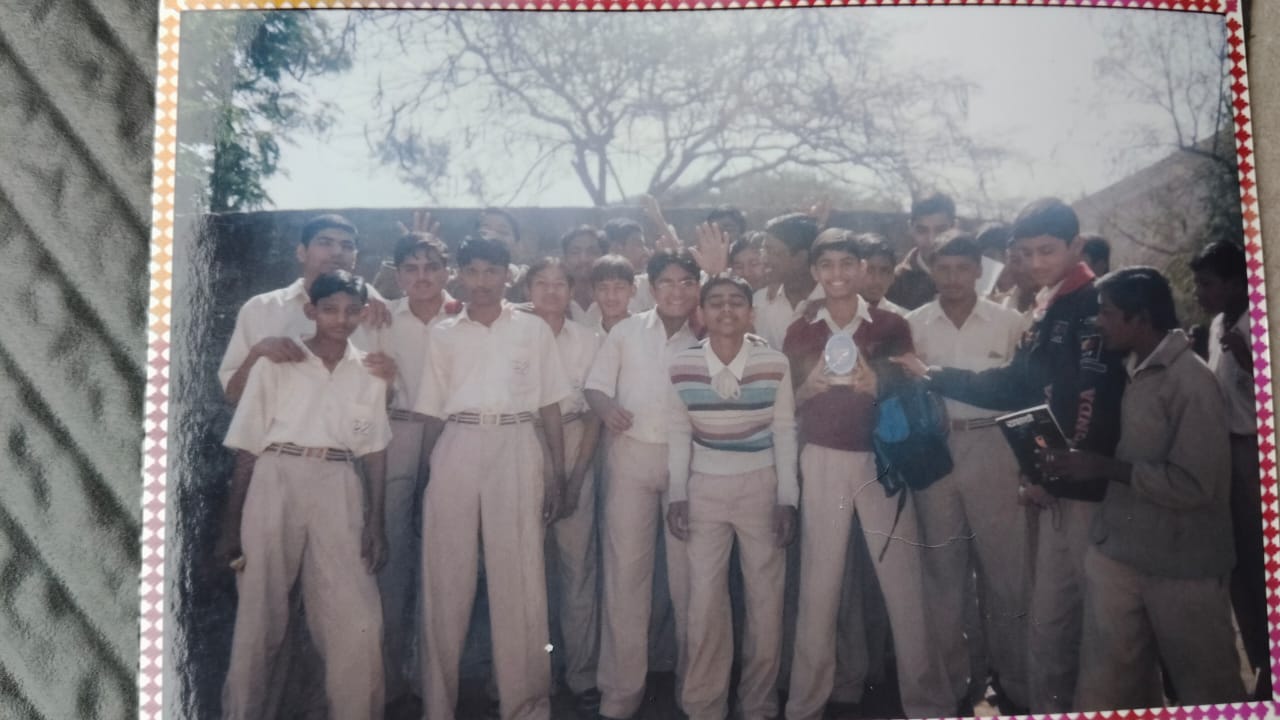
Software Is Never Built Alone

In college, almost every project had one or two people.

Sometimes we worked alone.

If something went wrong, we fixed it ourselves.

Corporate life was completely different.

Projects involved dozens of engineers.

Sometimes hundreds.

Different teams worked together.

Developers.

Test engineers.

Architects.

Project managers.

Product owners.

Business analysts.

Customers.

Everyone had a role.

For the first time, I realized that writing code was only one small part of software engineering.

Learning to work with people was equally important.

The Importance of Process

When I was in college, I thought software development meant writing code as quickly as possible.

Cummins taught me something completely different.

Every feature followed a process.

Every requirement was documented.

Every code change was reviewed.

Every release was tested carefully.

Initially, I wondered why everything took so much time.

Later, I understood.

When software is used by customers around the world, quality becomes more important than speed.

One small mistake can affect thousands of users.

Process is not there to slow you down.

It is there to prevent bigger problems.

That lesson stayed with me throughout my career.
Growing Beyond Coding

As the years passed, my role slowly changed.

I still loved programming.

But I was no longer spending every day writing code.

I started reviewing designs.

Helping teammates.

Discussing architecture.

Planning future work.

Supporting junior engineers.

At first, this change felt strange.

I missed coding.

But gradually I realized something.

My job was no longer to write every line of code myself.

My job was to help the entire team succeed.

That required a different set of skills.

Communication.

Listening.

Patience.

Decision-making.

Leadership.

Learning Never Stopped

Even though my responsibilities changed, my learning never stopped.

Every year, I tried to learn something new.

Android.

iOS.

C++.

PHP.

Cloud technologies.

IoT.

Automotive diagnostics.

Artificial Intelligence.

Some of these technologies became part of my daily work.

Others were simply areas that interested me.

I never wanted to become someone who said,

"I learned enough."

Because in technology, the day you stop learning is the day you start falling behind.

Why I Never Stayed in One Technology

People often asked me,

"Why don't you become an expert in just one programming language?"

It was a fair question.

Many successful engineers spend their entire careers working with one technology.

But I enjoyed learning different things.

Every new technology taught me a different way of thinking.

Android taught me user experience.

C++ taught me performance.

PHP taught me web development.

IoT taught me hardware integration.

Automotive software taught me system thinking.

Artificial Intelligence taught me how software itself was changing.

Instead of replacing each other, these skills complemented each other.

Every new skill made me a better engineer.

Full Stack Thinking

One idea became stronger as my career progressed.

I started believing that modern engineers should understand the complete system.

Not just one part of it.

You don't have to become the world's greatest expert in every technology.

But you should understand how everything connects.

The frontend.

The backend.

The database.

Cloud.

Mobile.

Security.

Architecture.

When you understand the complete picture, you become much more valuable.

Technology keeps changing.

But systems thinking never becomes outdated.

Helping Others Grow

As I gained experience, younger engineers started approaching me with questions.

Sometimes they wanted technical advice.

Sometimes they wanted career guidance.

Sometimes they simply wanted someone to listen.

I always tried to help.

Not because I knew everything.

But because I remembered my own journey.

I remembered Gautam Kanwade.

I remembered Nilesh Sir.

I remembered Gokhale Sir.

I remembered Piyush Sir.

Someone had helped me.

Now it was my turn to help someone else.

That felt natural.

Knowledge grows when it is shared.

Looking Back

If I compare myself with the young engineer who joined Cummins, I see two completely different people.

The younger Suyog wanted to become the best programmer.

The older Suyog wanted to build great teams, solve meaningful problems, and help other engineers grow.

Both goals were important.

One led to the other.

What Success Means Today

Earlier, success meant getting a good job.

Then it meant working in the United States.

Then it meant learning new technologies.

Today, success means something very different.

Success means waking up every day excited to learn.

Success means solving meaningful problems.

Success means helping someone else's career.

Success means giving back.

As we grow older, our definition of success also changes.

I think that is a good thing.

What Life Taught Me

Technology changes every few years.

Programming languages change.

Frameworks change.

Companies change.

But character remains.

Curiosity remains.

Integrity remains.

Kindness remains.

If you build your career only on technology, you will always have to catch up.

If you build your career on values, technology becomes much easier to learn.

That is probably the biggest lesson my professional journey has taught me.

And somewhere along this journey, another dream quietly started growing inside me.

It wasn't about building software anymore.

It was about building people.

That dream would eventually lead me back to the classroom—not as a student, but as a mentor.

17Giving Back

When I look back at my journey, I don't measure it by my job title or the country where I work.

I measure it by the people who helped me along the way.

If my parents had not sacrificed for my education...

If my teachers had not guided me...

If my seniors had not shared their experience...

If my mentors had not inspired me...

My journey would have been very different.

That realization changed the way I looked at success.

Success is not only about reaching your destination.

It is also about helping someone else begin theirs.

I Never Forgot Where I Came From

Even after moving to the United States, Sangamner was always in my heart.

Whenever I spoke to students from small towns, I saw myself in them.

I understood their doubts.

I understood their struggles.

I understood what it feels like to believe that students from bigger cities have an advantage.

Because I had felt exactly the same.

Whenever I met students from rural areas, I wanted to tell them one thing.

"Your hometown does not decide your future."

Your effort does.

Your curiosity does.

Your discipline does.

Why I Started Taking Seminars

My first seminar happened almost by accident.

My college invited me to speak about Android development.

I was nervous.

I had never spoken in front of so many students before.

I wondered whether anyone would listen.

But something interesting happened.

Students were not interested only in Android.

They wanted to know my journey.

How did I learn?

Which books should they read?

Which programming language should they start with?

How should they prepare for interviews?

I answered every question honestly.

That seminar ended.

Then another college invited me.

Then another.

Slowly, teaching became an important part of my life.

I realized I enjoyed sharing knowledge as much as I enjoyed learning it.

My Advice Was Always Simple

Whenever students asked me,

"Which programming language should I learn?"

I rarely started by naming a language.

Instead, I asked them another question.

"Do you really understand programming?"

Many students wanted shortcuts.

Artificial Intelligence.

Machine Learning.

Cloud.

The latest technology.

There is nothing wrong with learning those things.

But I always told them,

"Build your foundation first."

Learn one programming language properly.

Understand problem solving.

Build projects.

Write code.

Debug it.

Break it.

Fix it.

Only then move to the next technology.

A strong foundation never becomes outdated.

Projects Matter More Than Marks

Students often worried too much about marks.

I understood their concern.

Marks are important.

But they are not enough.

Whenever I interviewed candidates or reviewed resumes, I was always interested in one question.

"What have you built?"

A project tells a story.

It shows curiosity.

It shows problem-solving.

It shows initiative.

That is why I always encouraged students to build real projects instead of copying ready-made ones.

The project I built for my father's BSNL work changed my confidence.

"Sangamner in My Pocket" changed my career.
Real projects change people.

Donating Computers

One day, I received a request from a Zilla Parishad school near my hometown.

They needed computers.

Immediately, I remembered my own childhood.

I remembered how lucky I was to have computer education from the fourth standard.

That small opportunity changed my life.

What if another child received the same opportunity?

Without thinking too much, I donated three computers to the school.

It was not a huge donation.

But it made me happy.

Because I knew that somewhere, a young student would sit in front of one of those computers and become curious.

Maybe that curiosity would change another life.

Just as it had changed mine.

Meeting Young Talent

One experience gave me tremendous hope.

I met a young student from a nearby village.

He was still in school.

Yet he had already built IoT projects.

He had connected electronics to his mobile phone.

He was experimenting with technology at an age when many students are only beginning to use computers.

When I saw his work, I smiled.

The future is bright.

Talent is everywhere.

Opportunity is not.

If we can provide opportunities, students will surprise us.

Retirement Is Not the End

Many people ask me about my long-term plans.

My answer surprises them.

I don't want to spend my entire life chasing promotions.

I have already started thinking about the next chapter of my life.

One day, I want to dedicate more of my time to education.

Especially for students from rural India.

I want to create opportunities that many of us never had.

Career guidance.

Technology education.

Mentorship.

Practical learning.

Those ideas excite me.

I don't know exactly what shape they will take.

But I know one thing.

I want to give back.

Success Has a Responsibility

Earlier in my life, success meant achieving my own dreams.

Today, success means helping others achieve theirs.

When a student messages me saying,

"Sir, I got my first job."

That makes me genuinely happy.

When someone says,

"Your seminar motivated me to learn programming."

That is a different kind of success.

Money is important.

Career growth is important.

But making a positive difference in someone else's life brings a different kind of satisfaction.

Looking Back

Sometimes I think about the little boy who played football every morning in Sangamner.

If someone had told him that one day he would work in America, deliver technical seminars, mentor students, and donate computers to schools, he probably would not have believed it.

Life has been kind to me.

Not because everything was easy.

But because every challenge taught me something valuable.

Today, I feel grateful.

Grateful to my parents.

My teachers.

My mentors.

My friends.

My colleagues.

And everyone who became part of this journey.

What Life Taught Me

Knowledge becomes meaningful only when it is shared.

Success becomes meaningful only when it helps someone else succeed.

If my journey inspires even one student from a small town to believe in themselves, then every struggle I faced was worth it.

Because the greatest achievement in life is not how high we climb.

It is how many people we help while climbing.

18Lessons Life Taught Me

When I look back at my journey, I don't see a straight line.

I see many ups and downs.

Sometimes I moved forward quickly.

Sometimes I stood still.

Sometimes I failed.

Sometimes I surprised myself.

Every stage of my life taught me something.

If someone asked me today what I have learned after all these years, these are the lessons I would share.

Your Starting Point Does Not Decide Your Destination

I was born in Sangamner.

A small town.

I did not study in IIT.

I did not come from a wealthy family.

I did not have expensive coaching.

I did not have industry connections.

But none of those things decided my future.

They only decided where I started.

The rest depended on me.

Whenever students tell me,

"Sir, I am from a small town."

I smile.

Because I know exactly how they feel.

I also know that where you begin has very little to do with where you can reach.

Curiosity Is More Powerful Than Intelligence

People often ask me,

"What is the secret of your success?"

I don't think I was the smartest student.

There were many students who scored better marks than me.

The difference was curiosity.

Whenever I learned something, I wanted to know more.

When I learned Java, I wanted to know who created it.

When I learned Linux, I wanted to understand how it worked.

When I learned Android, I wanted to know how mobile operating systems were designed.

That curiosity kept pushing me forward.

Knowledge has no finish line.

The moment you think you know enough, you stop growing.

Build Before You Apply

One mistake I see many students making today is waiting.

Waiting until they finish a course.

Waiting until someone teaches them everything.

Waiting until they get a job.

I don't believe in waiting.

If you want to become a software engineer...

build software.

Even if it is a small calculator.

A website.

A mobile application.

A personal portfolio.

Something.

Every project teaches you something that books cannot.

My own journey changed because I built projects.

Not because I collected certificates.

Never Copy Your Dreams

One lesson took me many years to understand.

Don't copy someone else's career.
During college, many students wanted the same company.

The same technology.

The same path.

I also compared myself with others.

Eventually I realized something.

Every person's journey is different.

If I had copied someone else's path, I would probably never have discovered Android.

Or IoT.

Or automotive software.

Or teaching.

Build your own journey.

Technology Will Keep Changing

When I started my career, Android was growing rapidly.

Today, Artificial Intelligence is changing everything.

Tomorrow, something else will replace it.

This is normal.

Technology always changes.

Don't become emotionally attached to one programming language or one framework.

Become attached to learning.

That skill never becomes outdated.

AI Is Not Your Enemy

Many students ask me whether AI will replace software engineers.

I don't think so.

AI is a tool.

Just like calculators changed mathematics.

Just like computers changed offices.

AI will change software development.

But it will not replace engineers who understand problems.

Learn AI.

Use AI.

But don't depend on AI instead of learning.

Strong fundamentals will always matter.
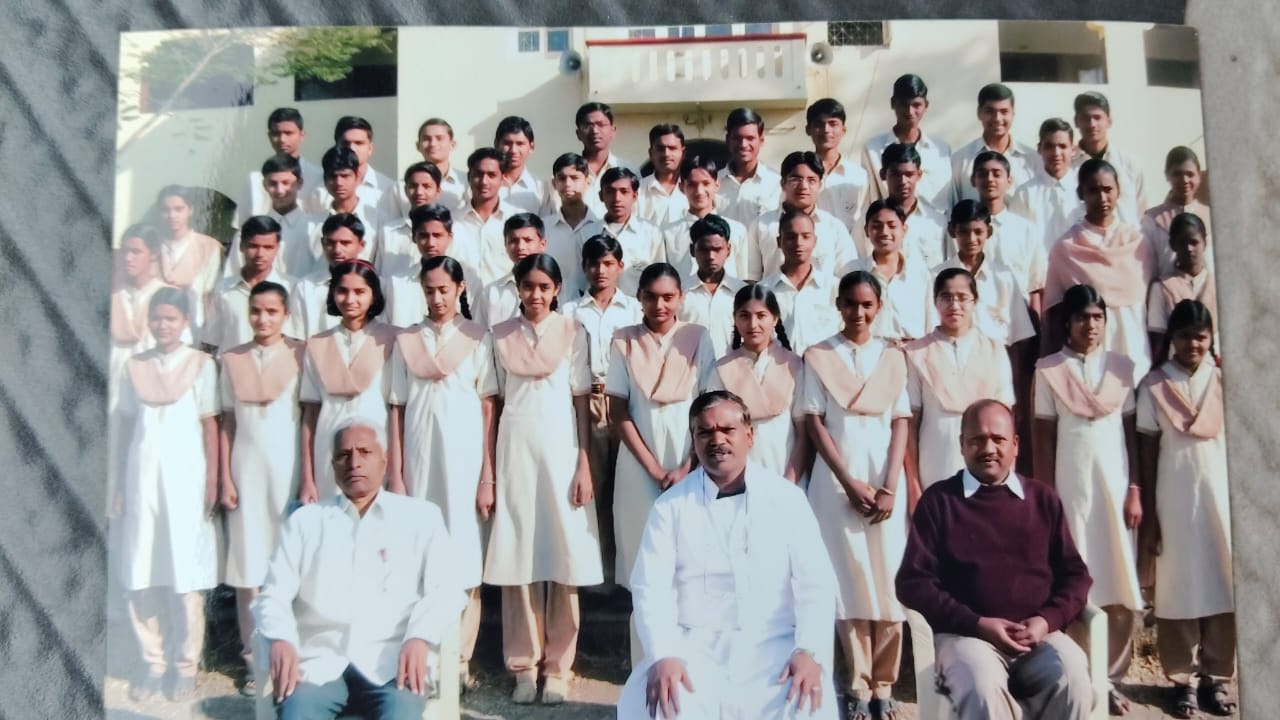
Health Is Also an Investment

If I could go back and change one thing, I would take better care of my health.

There were years when I spent long hours sitting in front of a computer.
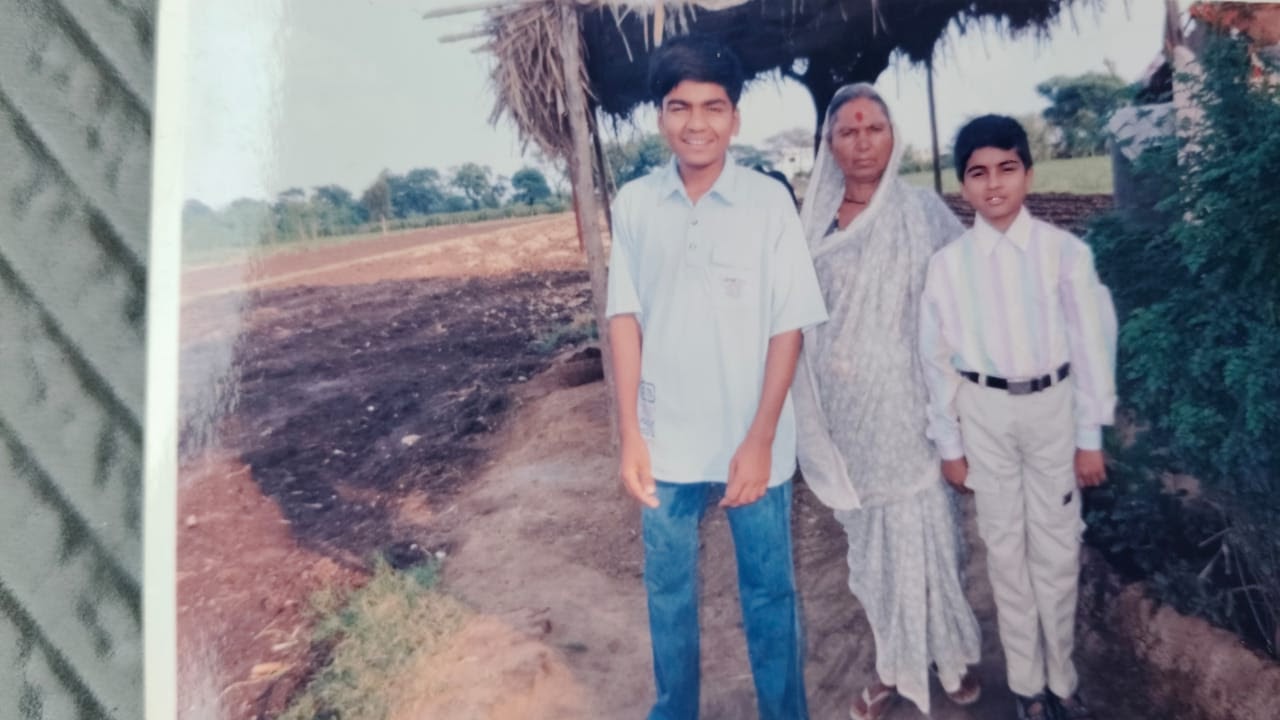
Sometimes twelve hours.
Sometimes even more.

I enjoyed my work so much that I ignored my body.

Later, I realized that success means very little without good health.

Today I tell every young engineer the same thing.

Exercise.

Walk.

Sleep well.

Spend time with your family.

Software can wait.

Health cannot.

Family Comes First

As my career grew, my priorities also changed.

Getting married.

Becoming a father.

Watching my daughter grow.

Those experiences changed me.

Earlier, every extra hour went into learning another technology.

Today, I know that some of those hours belong to my family.

Career is important.

Family is irreplaceable.

Finding the right balance is one of life's greatest challenges.

I am still learning.

Success Changes Its Meaning

When I was twenty years old, success meant getting a job.

Later, success meant working in the United States.

Later, it meant learning new technologies.

Today, success means something different.

Success means waking up excited about the work I do.

Success means helping another engineer solve a problem.

Success means inspiring students.

Success means giving back.

As we grow older, success becomes less about ourselves and more about others.

I think that is how it should be.

Never Forget the People Who Helped You

Nobody succeeds alone.

Whenever someone congratulates me today, I immediately think about the people behind my journey.

My parents.

My teachers.

My seniors.

My mentors.

My friends.

My colleagues.

Each of them contributed something.

Some gave advice.

Some gave opportunities.

Some gave encouragement.

Some simply believed in me.

Never forget those people.

Success should make us more grateful, not more proud.

Looking Back

If I had one opportunity to meet my younger self, I would not give him technical advice.

I would simply tell him,

"Keep going."

There will be failures.

There will be disappointments.

There will be moments when you feel lost.

Don't stop.

One day, all those experiences will make sense.

Every difficult chapter of your life is preparing you for the next one.

What Life Taught Me

Life is not a race.

It is a journey of continuous learning.

Stay curious.

Stay humble.

Keep learning.

Help others.

Never forget your roots.

Everything else will eventually fall into place.

No matching chapters.

In conversation

Hear the Story

Epilogue — The Journey Continues

The Journey Continues

When people ask me,

"Have you achieved your dream?"

I usually smile.

Because I don't think dreams ever end.

Every time I achieve one goal, another one appears.

That is what keeps life interesting.

Today, I have a wonderful family.

I have a career that I enjoy.

I have worked on technologies that once seemed impossible to me.

I have travelled to places I only saw in books.

I have met people I once admired from a distance.

For all of this, I am deeply grateful.

But I still feel that my journey is not complete.

There is still so much to learn.

So much to build.

So many people to help.

A Message to Every Student

If you are reading this book as a student, especially if you come from a small town like I did, I want you to remember one thing.

Don't let your surroundings decide your future.

Don't think that students from bigger cities automatically have better opportunities.

Yes, they may have more exposure.

But exposure can be created.

Knowledge is available everywhere today.

When I was a student, we did not have YouTube.

We did not have AI.

We did not have thousands of free courses.

Today you have access to all of them.

Use them wisely.

Don't wait for the perfect college.

Don't wait for the perfect teacher.

Don't wait for the perfect job.

Start learning today.

Build something today.

Improve yourself every day.

Small improvements, repeated consistently, create extraordinary results.

My Promise

Wherever life takes me, I will always remain a student.

I will continue learning.

I will continue sharing.

I will continue helping.

Because everything I have today is the result of people who helped me along the way.

Now it is my responsibility to do the same for someone else.

Thank You

Thank you to my parents, who believed in education even when it was difficult.

Thank you to every teacher who guided me.

Thank you to every mentor who changed my thinking.

Thank you to every friend who stood beside me.

Thank you to every colleague who helped me grow.

Thank you to every student who asked me a question, because your curiosity reminds me of my own journey.

And finally...

Thank you to my hometown, Sangamner.

Everything I have achieved began there.

No matter where life takes me, that small town will always be home.

Final Thoughts

If there is one sentence I want you to remember after finishing this book, it is this:

"Your future is not decided by where you are born. It is decided by how curious you are, how willing you are to learn, and how determined you are to keep moving forward."

My journey from Sangamner to the United States was never about reaching another country.

It was about becoming a better version of myself.

And that journey is still going on.

I hope yours has just begun.

Still Learning. Still Growing. Still Becoming.

My story is still being written. The purpose is to learn, create, share, and leave something useful behind.

— Suyog Gunjal